Zero-Knowledge Proofs: Real-World Use Cases and Impact

Introduction
In cryptography, a proof is a piece of mathematical evidence used to convince someone that something is true. In the context of zero-knowledge proofs (ZKPs), a ZKP cryptographic protocol allows one party (the prover) to demonstrate to another party (the verifier) that they possess a specific piece of knowledge or have performed a certain computation, without revealing the actual knowledge or the steps of the computation. The verifier is a program that checks the proof and decides whether to accept or reject it.
There are different types of ZKPs, with varying levels of complexity and security guarantees.
Some ZKPs are considered interactive, requiring back-and-forth communication between the prover and verifier. However, message passing requires real-time interaction between the prover and verifier, and a higher level of trust. They can also be computationally intensive and add latency and complexity to the system.
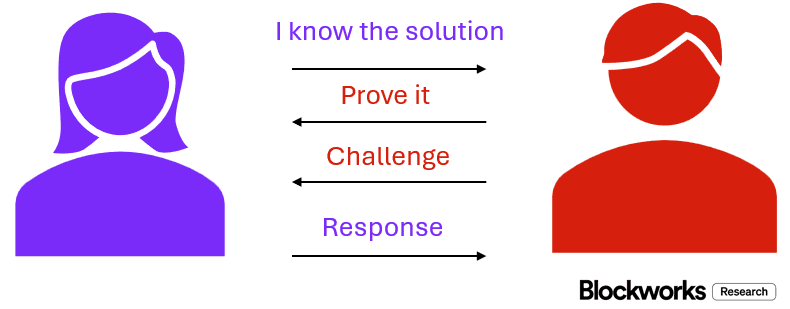
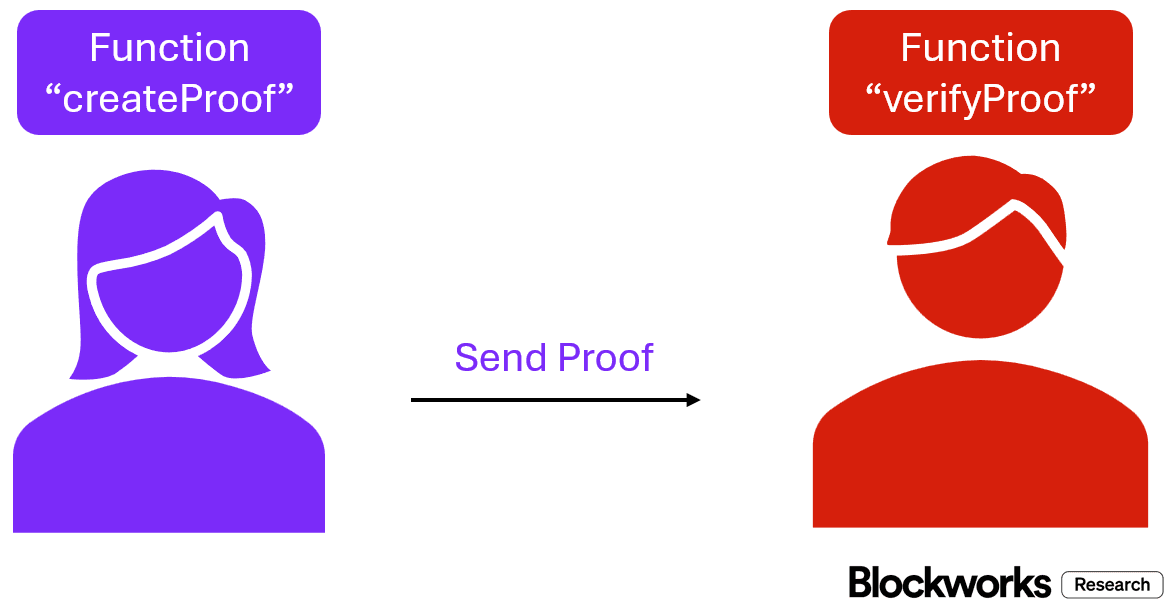
These interactions can instead be replaced by cryptographic algorithms. The provers in this system feed their information into an algorithm that performs the computation to generate the ZKP. The verifier then takes the ZKP and feeds it into another algorithm that verifies if the proof is correct or not.

Marc covers Ethereum, Bitcoin and their L2s. Previously led Ethereum and DeFi research at CoinShares.