The Storage Layer & The Importance of Metadata

“We kill people based on meta-data” - General Michael Hayden, Former Director of the CIA & NSA
Modern warfare has evolved from aiming mortars at enemy combatants using maps and protractors. The thought of drone striking an individual (even a terrorist) based on meta-data – data that describes info about a set of data – is unsettling, even downright terrifying.
The metadata of a phone call might be how someone calls, how long they chat for, or the phone number of the callers. It’s a reality-shattering testament to the power of data that the U.S government can obtain enough information about someone – not based on the content or words of a phone call, but on the data relating to that phone call – to order a drone strike.
But, I promise I wouldn’t interrupt your otherwise cheerful day with sadness-provoking day ruiners without having a more specific point to touch on (after all, I’m not Twobitidiot).
Instead of focusing on how our data is used and abused in the long term, I want to discuss the immediate importance of data and metadata in the context of non-fungible tokens. The rising importance of metadata and increasing prevalence and value of NFTs means that how we store NFT data and metadata is crucial.
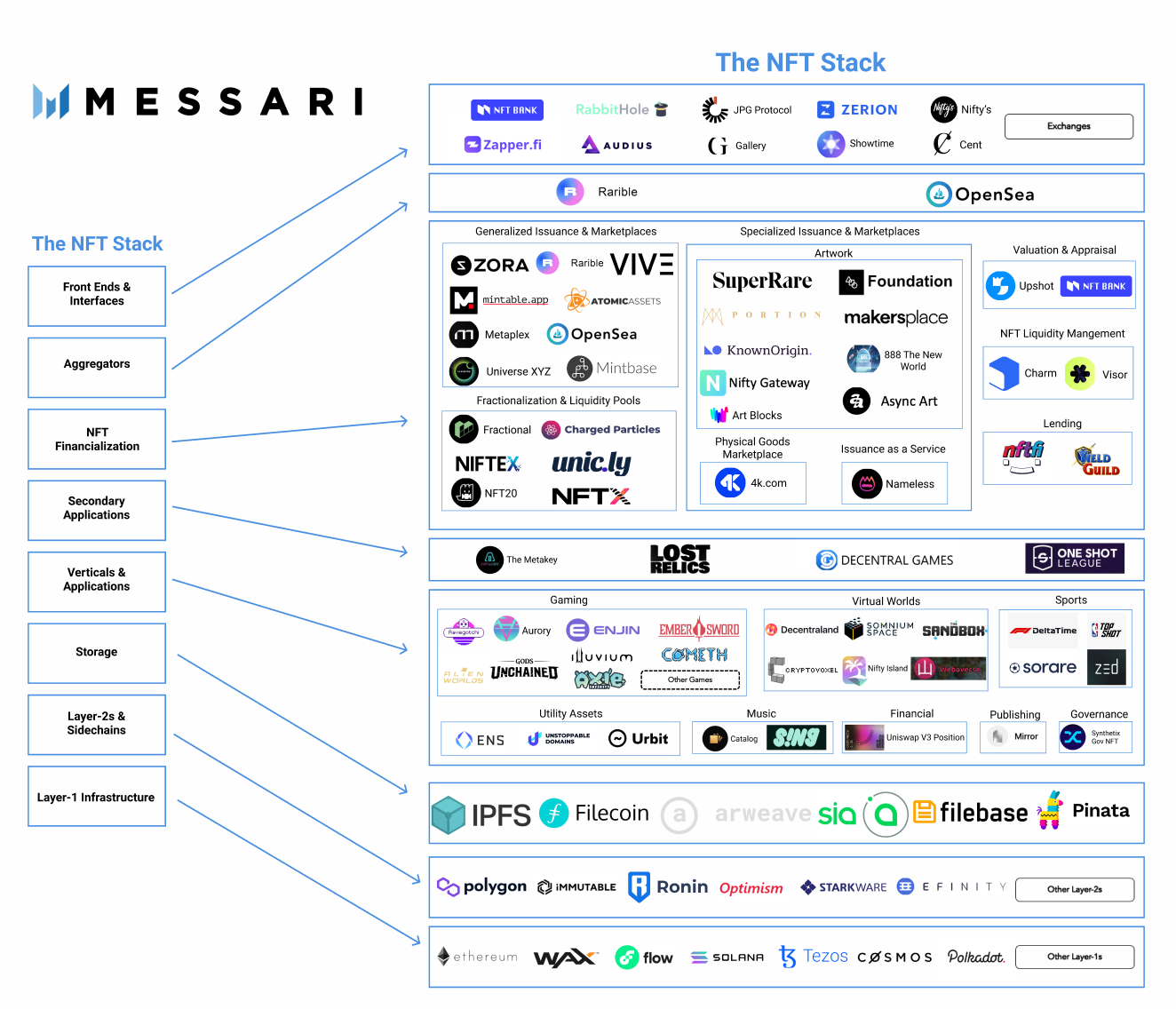
When I initially wrote about the NFT stack I glazed over this crucial storage & data availability layer. So, I thought I’d rectify that mistake by expanding further on its importance.

Mason was a Senior Research Analyst at Messari focused on Web3 protocols and cryptoassets. Before Messari, Mason worked at ConsenSys as a Content Marketer focused on marketing strategy. Mason obtained his Master’s in Business Management at Hong Kong Baptist University.