Orchid Protocol: More Than a Decentralized VPN Protocol

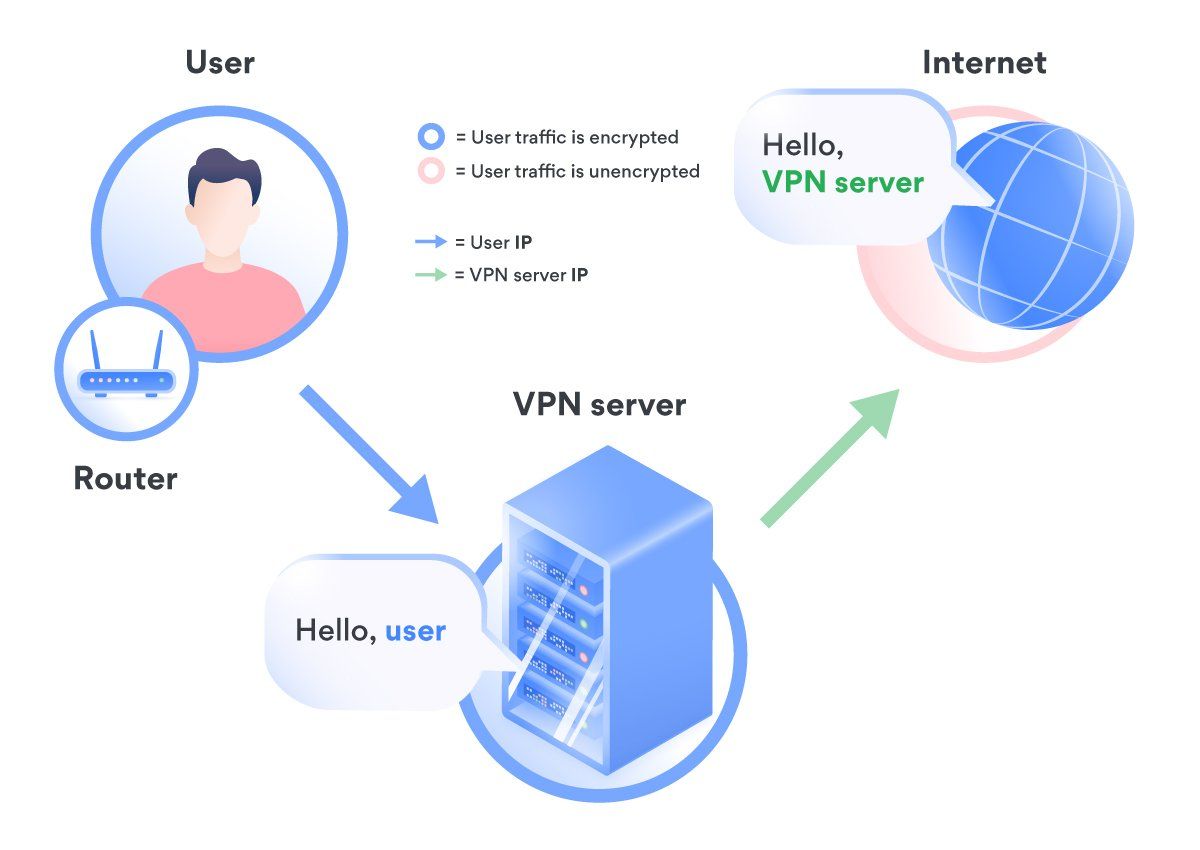
When browsing the internet, information is requested (i.e. a website address) and your IP address is shared so that the requested information has a destination to arrive at.
Say your IP address is 123.45.6 and you wish to visit ‘messari.io’. Your IP address and other information is shared with a server, which then shares back the information you requested (the messari.io URL) to your IP address.
However, some may be reluctant to share their IP address on the internet as it may be intercepted by third parties. This may be undesirable as it volunteers information about an individual and their usage that they may wish to keep private for security, censorship, or personal reasons.
Furthermore, when using public WiFi networks - such as those provided in coffeeshops - information being sent and received on these networks can be easily observed. This means that security can be compromised because a malicious party could monitor all the sensitive information and passwords entered and sent across these public networks.
What is a VPN?
A Virtual Private Network (VPN) adds a layer of complexity where your IP address is obfuscated by first encrypting your data, then routing your requests for data through another server. Thus, the destination IP address displayed is that of the server you are using remotely - this is called an exit node.