Modular Blockchains Beyond Rollups: A Dive into the Eclipse Mainnet Design

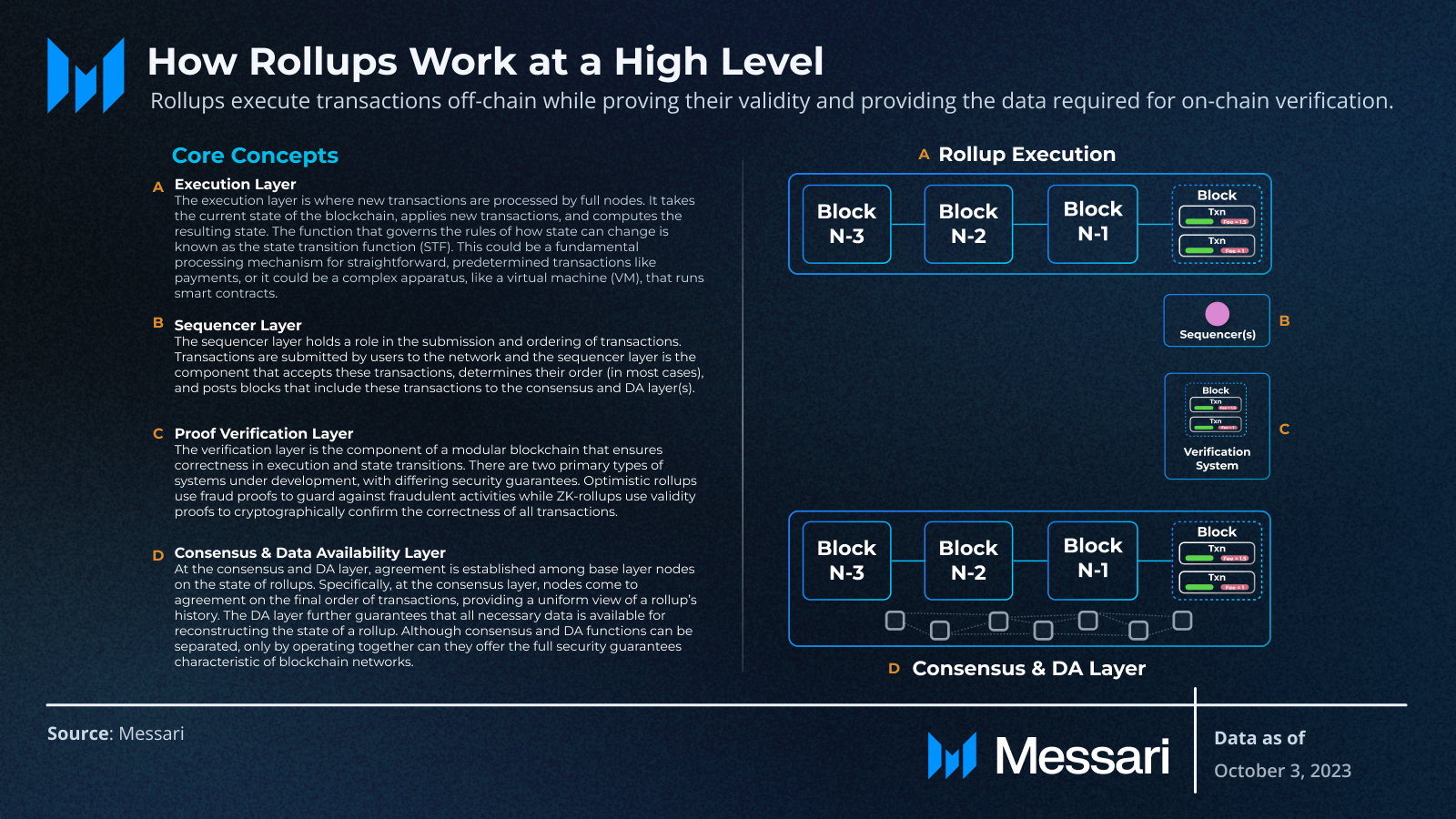
The modular blockchain paradigm enables the creation of novel networks by breaking out the functional layers of execution, consensus, and data availability (DA). This separation allows for tailored optimizations at each layer of the stack. To date, the most common modular chain is a rollup, where execution takes place offchain, with the transaction data needed for onchain verification posted to an underlying consensus and DA layer.
Rollups represent the most secure type of modular blockchain, but various other configurations exist. By keeping portions of transaction data off chain, and separating functional components across different ecosystems, developers can tailor networks to specific business needs along the cost-security spectrum. For example, validiums, like Polygon 2.0’s solution, keep transaction data off chain while posting validity proofs to Ethereum, saving on data posting costs (which is presently costly) at the expense of full Ethereum-level security.
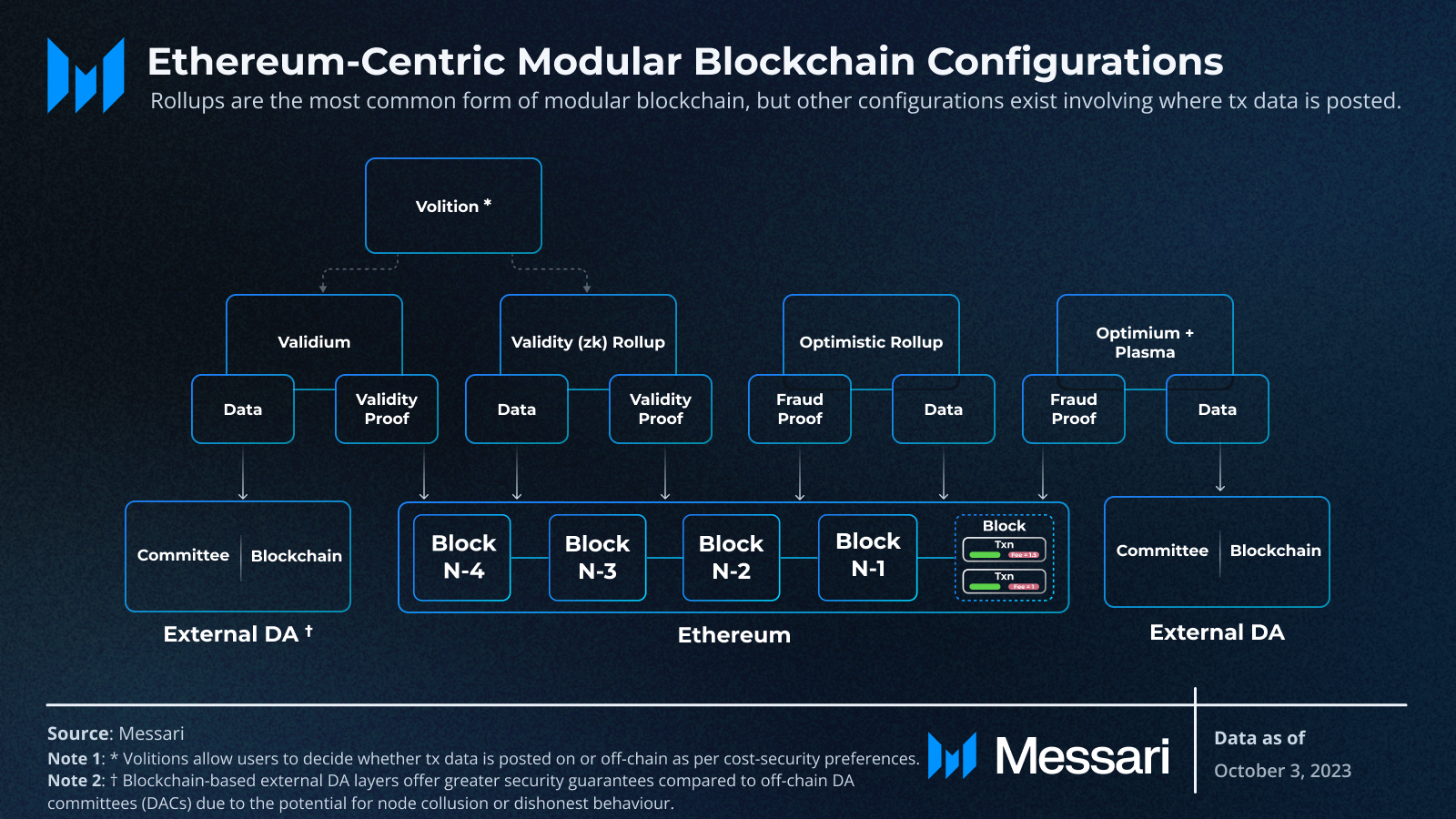
Optimiums are the optimistic counterparts of validiums, including networks like Arbitrum Nova and Mantle. These networks leverage Ethereum for settlement (bridging and dispute resolution) while outsourcing DA. Blockchain-based DA layers offer greater security guarantees compared to offchain DA committees (DACs) due to the potential for node collusion or dishonest behavior.
Networks that plan to outsource consensus and DA to Celestia will take advantage of a specialized blockchain-based DA layer offering higher data throughput and lower costs compared to Ethereum. Several teams are moving in this direction, with Eclipse being the first to gain widespread attention with its recently announced general-purpose chain running Solana’s Sealevel Virtual Machine (SVM). Eclipse’s construction has ruffled the feathers of some in the Solana community, but it also displays how the best of a number of ecosystems can be combined to produce novel modular blockchains. Eclipse will be one of the first networks to leverage Celestia for DA, with both networks expected to launch in the coming months.
History of Eclipse

Stephanie graduated with a BSc in Psychology and began her career in startup operations and consultancy. Prior to joining Messari, she specialized in crypto technical communications. She was an early member of Messari's Diligence Team with ownership over product design, project management, and research quality. She produced and oversaw professional cryptoasset due diligence reports and helped scale the team to 20+ members. On the Enterprise Research team, Stephanie is best known for her work on validator decentralization, scaling, and the modular blockchain landscape.