Uniswap V3: Capital Efficiency At Its Finest

The highly anticipated Uniswap V3 has finally been unveiled, and it has the potential to change the landscape of Decentralized Exchanges (DEXs) and the behavior of their key participants. By implementing concentrated liquidity through customizable price ranges, Uniswap V3 aims to significantly improve capital efficiency and trade execution quality.

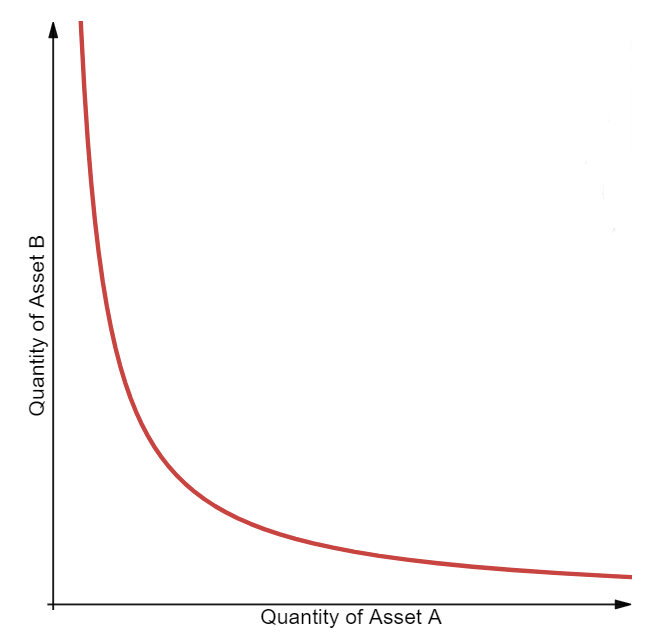
The launch of Uniswap V1’s constant function maker x*y=k, in late 2018, was a pivotal moment that kick-started the Cambrian explosion of innovation around Automated Market Maker (AMM) based Decentralized Exchanges (DEXs). All it took was a simple equation to facilitate the democratization of market making and to enable completely decentralized, non-custodial trading.
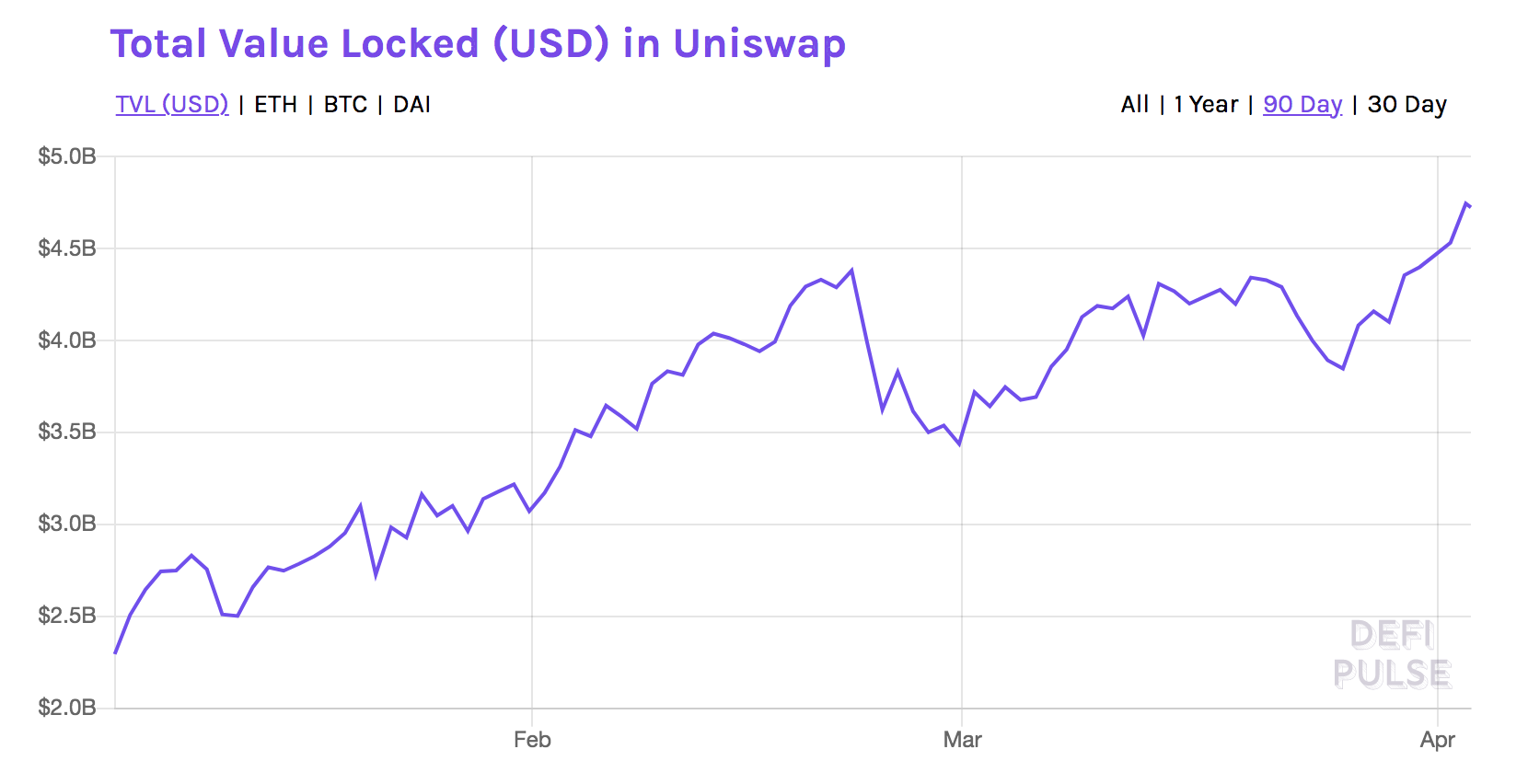
Since the launch of Uniswap V2, which among other features enabled ERC20/ERC20 trading pairs (previously users had to pair every asset with ETH), Uniswap volumes have exploded. Last month, the protocol saw over $35 billion in volume, accounting for over 50% of total DEX monthly volume. Furthermore, total value locked (TVL) in Uniswap reached an all-time high this month of over $4.7 billion, comprising almost 10% of the ~$48 billion locked on all DeFi-related platforms.
However, as covered in anearlier piece, Uniswap and other AMMs face a number of inherent problems such as impermanent loss (IL), capital efficiency, slippage, gas costs, speed and multi-token exposure. Capital efficiency in particular is one of the most significant challenges. Since AMMs allocate funds uniformly across the price range (0, +∞), only capital allocated near market prices are being utilized efficiently with a substantial portion of funds only available when the pricing curve begins to turn exponential. As a result, AMMs require larger amounts of liquidity to match slippage on traditional order book exchanges. Moreover, AMMs are often referred to as "lazy liquidity" since price points being offered to traders cannot be controlled, unlike traditional market makers who are much more informed and nimble.
