Towards Fiat Stablecoin Transparency and Safety

How Stable are Stablecoins?
Fiat-backed stablecoins have grown in importance during the recent crypto bear market. USD-pegged tokens are now approximately 15% of total digital asset market cap, more than double the “ dominance” of 7.1% at YE 2021. Some commentators believe that dollar-pegged tokens are crypto’s best use case to date.
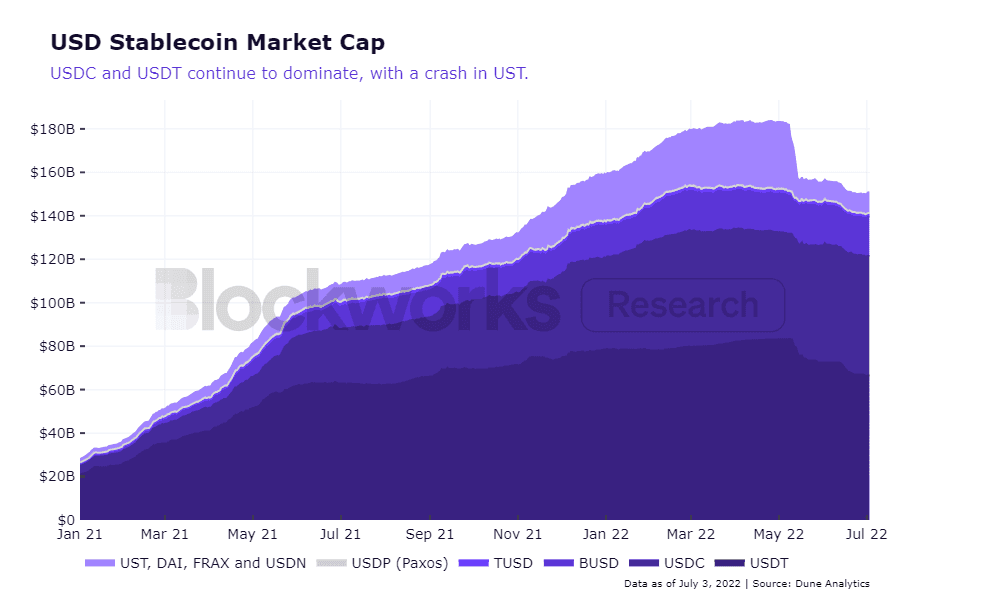
With the algorithmic stablecoin model under scrutiny post-Terra and scaling difficulties at the top overcollateralized “CDP” stable DAI, “fiat” stablecoins backed by off-chain financial assets have gained ground on the competition. Half of the top six coins by market cap have USD pegs backed by fiat.
All fiat-backed stablecoins have some mismatch between the quality and maturity of the assets and their liabilities. Vulnerabilities inherent in asset-liability differences have been revealed during the current CeFi lending collapse. Opaque unregulated digital asset “deposit” takers have suffered bank runs, with most having to pause or throttle back redemptions and seek balance sheet restructurings, including BlockFi, Celsius, Voyager, Coinflex, Babel Finance, Finblox, and Vauld.
How stable will our fiat stablecoins be in a crisis? If they only function when times are good, stables aren’t much use, especially as a store of value. In this report we delve into the balance sheets of the stablecoin issuers using the TradFi approach to US money market funds (MMFs), as they are almost identical in risk terms. Both stable value MMFs and stablecoins peg their units at $1. Both back those pegged liabilities with diversified asset pools that carry additional risks.
