Theta Network Moving Video Streaming to Web 3.0

"Web 1.0 was the early days of the internet (think AOL and Netscape), while Web 2.0 was characterized by the rise of e-commerce, mobile apps and social media led by Facebook, Google, Amazon, Microsoft, and Apple starting around 2007. Web 3.0 is in many ways the reaction against the excesses and market dominance of the world’s largest tech companies" - Theta Labs
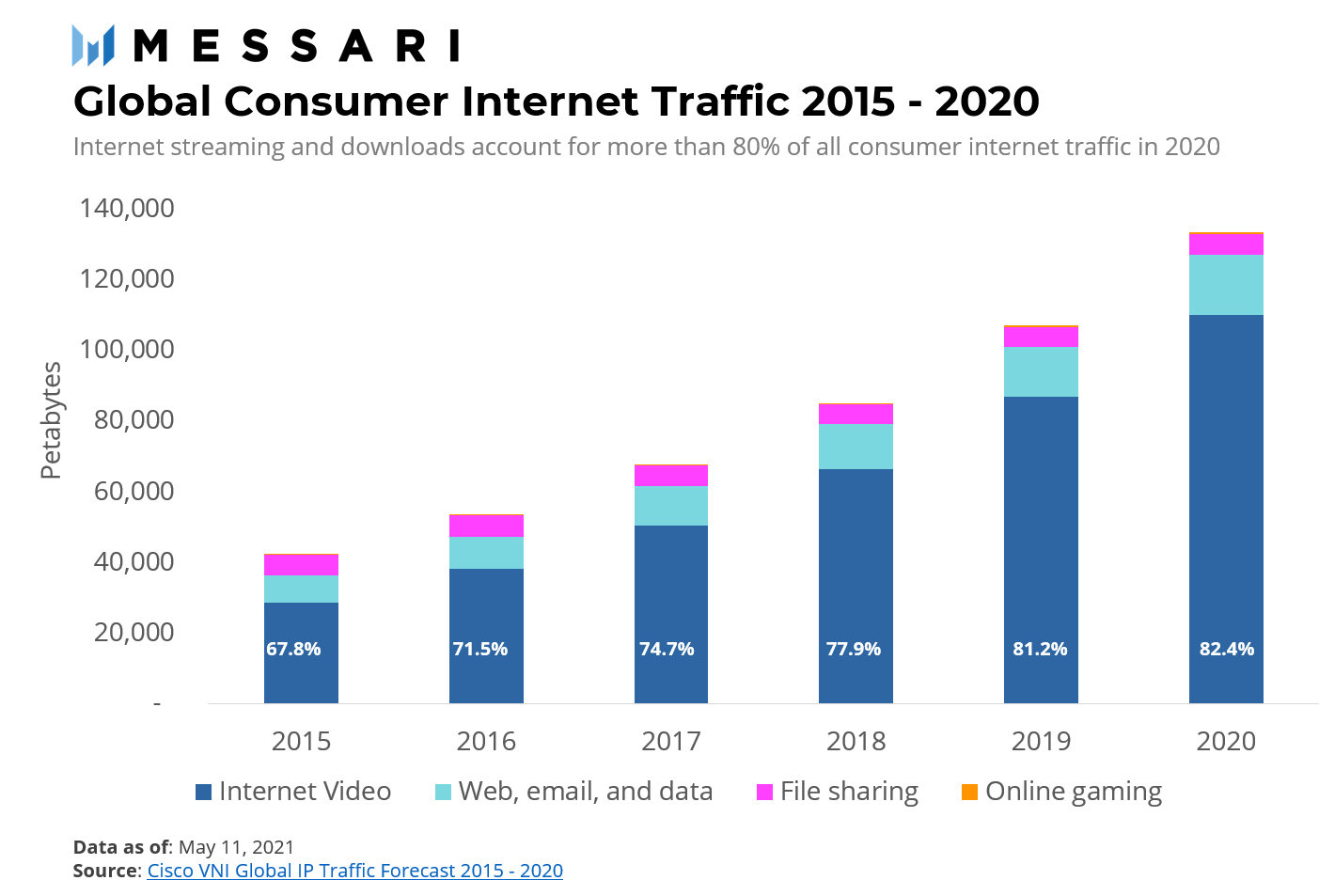
Streaming content has undergone rapid adoption over the last two decades with the rise of platforms like YouTube, TikTok, Twitch, and Netflix. The Covid-19 pandemic accelerated the trend as people around the world were forced to remain home and turned to streaming as a source of entertainment. According to Cisco, streaming currently accounts for 75% of internet traffic.
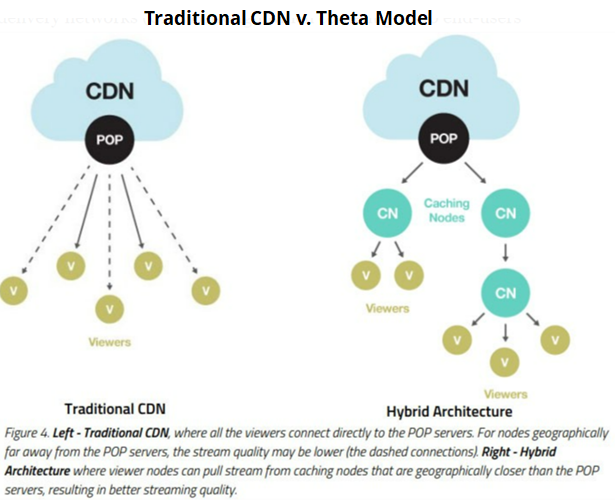
Content Delivery Networks (CDNs) are servers distributed around the globe that deliver internet content, including streaming, to consumers. CDN's are viewed as critical internet infrastructure due to closer consumer proximity resulting in improved video quality and decreased latency. Despite their importance, CDN's are plagued with issues. Typical experiences include user overload, network strain from high quality graphics, delivery challenges to remote regions, and expensive network maintenance costs. As a result, operational costs increase and subsequently get passed onto the video platforms; Netflix’s CDN costs amount to 20% of sales.
A Global Mesh Network
Theta is the world's first Decentralized Video Network utilizing blockchain technology to solve streaming and video on-demand shortcomings. Theta uses a peer-to-peer mesh network where anyone on any PC, mobile device, or smart TV can volunteer their spare bandwidth and computing to relay video to other users and earn token rewards for their contributions. The Theta video relayers are Edge Nodes (aka Caching Nodes) which are geographically closer to users (tvs, phones, and computers) compared to a centralized CDN server. As a result, the Theta Network offers end users superior streaming, video platforms lower costs, and relayers rewards for volunteering their bandwidth; all parties benefit in the Theta model.

Nick is a Research Manager. Prior to joining Messari, Nick worked in Deloitte's Consulting practice.