The Investor Dilemma: Participating in Coinlist Sales or Holding ETH?

Accredited investor regulations in the U.S. limit individuals from obtaining life-altering wealth. In crypto, the inability to invest in public sales, obtain airdrops, or participate in ICOs, IEOs, Tokensoft sales, and Coinlist auctions has detrimentally impacted U.S unaccredited investors.
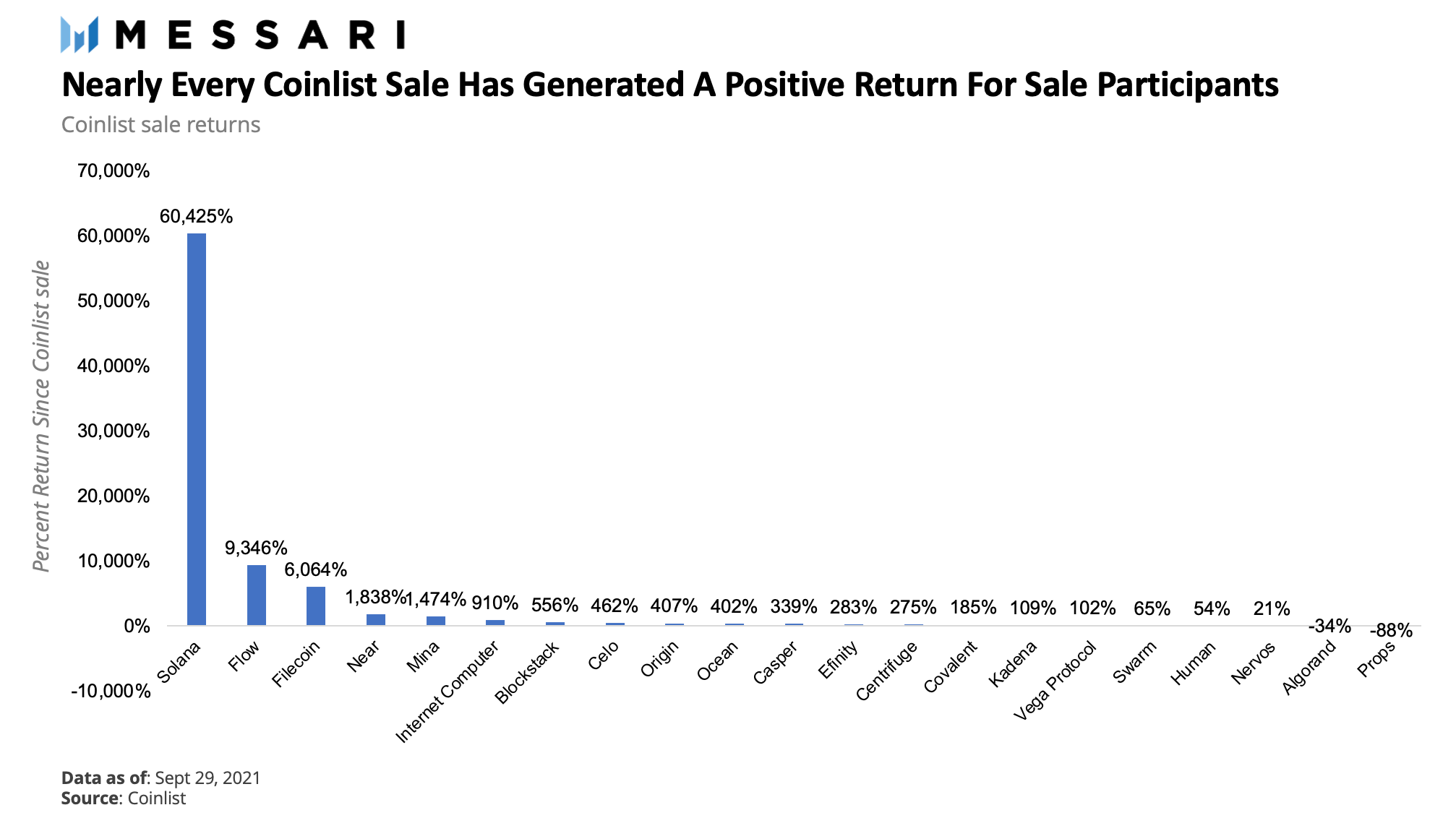
For those less familiar, various crypto protocols have reserved a portion of tokens for sale to the public in Coinlist auctions. Coinlist, unfortunately, isn’t able to accept U.S. unaccredited investors thereby ensuring that the vast majority of Americans are unable to participate and miss out on notable returns.
“It’s For your Safety”
The premise that only people that either own 1) over $1 million in assets, excluding their first home or 2) make an annual income over $200k are somehow more qualified to invest in risky assets is ludacris.
The premise behind these types of regulations – which limit investment options – is that the regulations protect unaccredited (read retail) investors from volatility and fraud, thereby doing more good than harm. The hypocrisy of these regulations is tantalizing. One part of the logic is that if an investor doesn’t make money then they’re unlikely to be able to identify good investments. Further, the rules specifically limit a person’s primary home as part of their $1 million in assets, which is often one of their best investments.
This is the equivalent of the SEC saying, “We understand you made a profitable, illiquid investment, but you probably won’t make good decisions in other illiquid assets like startups or crypto. Also, we’re just trying to protect you, now please go get a payday loan and put that money on snake-eyes at the craps table.”

Mason was a Senior Research Analyst at Messari focused on Web3 protocols and cryptoassets. Before Messari, Mason worked at ConsenSys as a Content Marketer focused on marketing strategy. Mason obtained his Master’s in Business Management at Hong Kong Baptist University.