The Evolution of Blockchain-Based Music

In The Beginning, There Were EPs
The music industry has evolved rapidly since the 70s, generating nearly $14 billion in revenue in 2020. The monetization models of music in the 1970s started with EPs and Vinyl tracks until it quickly transitioned into Cassettes and CDs in the 1990s. In these monetization models (EPs, CDs, etc.), consumers need to purchase an entire album even if they only wanted to listen to just one song.
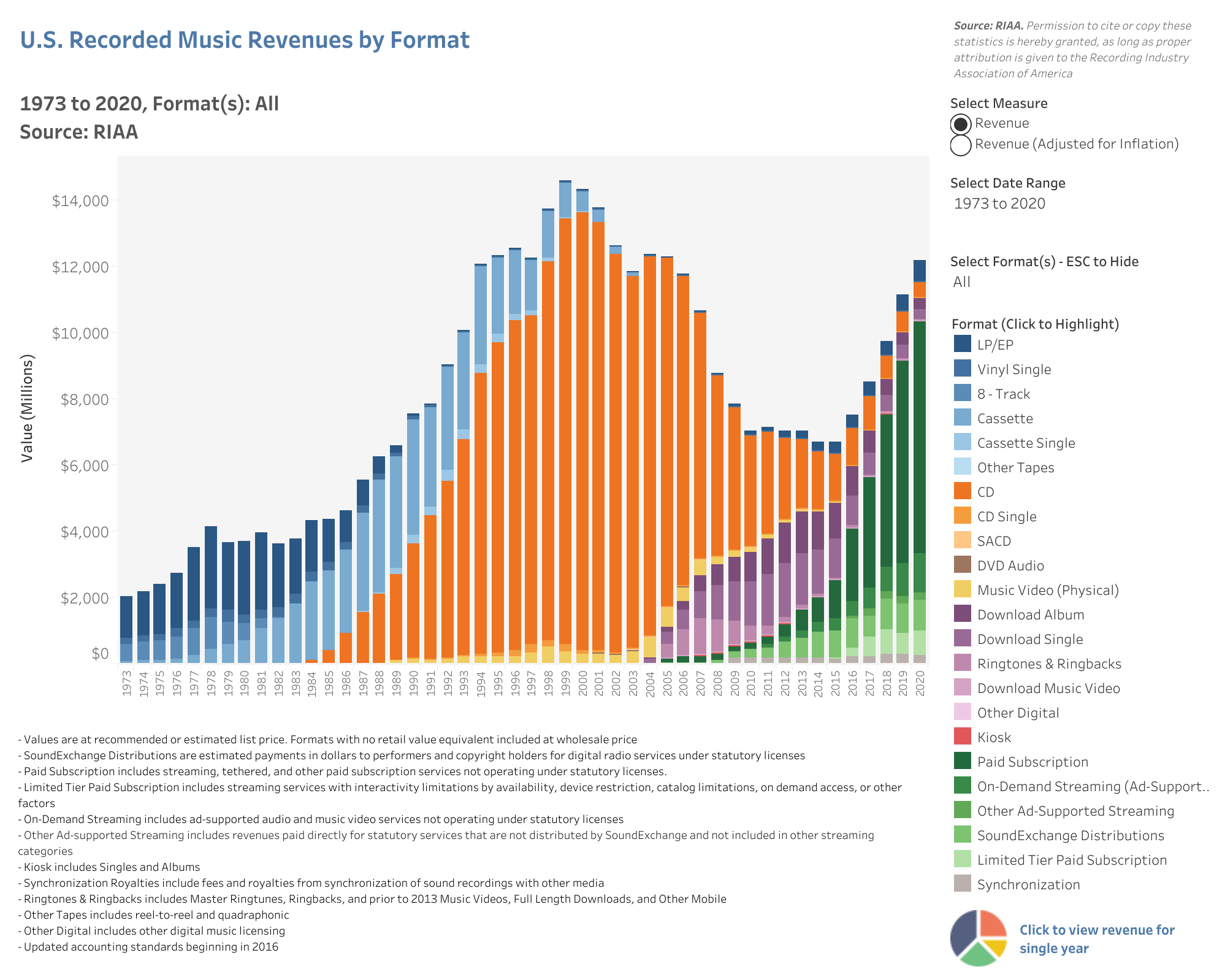
The 1970s – late 1990s were the era when music labels and production houses were the kings and queens, and artists were mere pawns. Artists rarely received more than 10% from the sale of their albums whereas the lion’s share was pocketed by the middlemen like label companies, publishing houses, agents, and managers.
Eventually, Napster hit the industry by storm, allowing music lovers to download pirated versions of their favorite songs. Napster, in a way, was the first Web2 company in the music industry that freed music consumers from the shackles of buying a physical copy of an album even if they wanted to listen to a single song. For the next decade in the 2000s, the music industry went into a downward spiral, with CD sales plummeting before finally stabilizing in the early 2010s.
