Rendering the Last Frontier

The metaverse is the last frontier of the physical world that will lead to the virtualization of everything that has not already been digitized. Satya Nadella, CEO of Microsoft, defines the metaverse as “the coming together of the digital and physical world, where an entirely new platform layer is created”. Bringing together hardware, digital information, content, payments, extended reality (an umbrella term for virtual reality, augmented reality, and mixed reality), and other technologies, the metaverse creates an entirely new virtual environment.
The metaverse will require the greatest ongoing computational requirement in history. Entire economies, game engines, simulated environments, spatial computing, holographic displays and extended reality experiences will all have to be simultaneously rendered for millions to billions of users. The advancement in computing technology has transformed existing major industries such as cinema, gaming, medical, manufacturing and research, as everything has shifted to becoming increasingly more virtual. Rendering, the process of taking raw information (polygons, materials and lighting) from a 2D or 3D scene and running a simulation on a computer to calculate the final result, is one of the essential computing processes these industries rely upon to create virtual products and services. It is heavily used in animation, gaming, simulators, and special effects in film and television. The amount of rendering needed in these industries has been exponentially increasing with the push to higher frame rates, higher resolution, and more realistic images. For example, Pixar’s Inside Out took 33 hours to render just one frame.
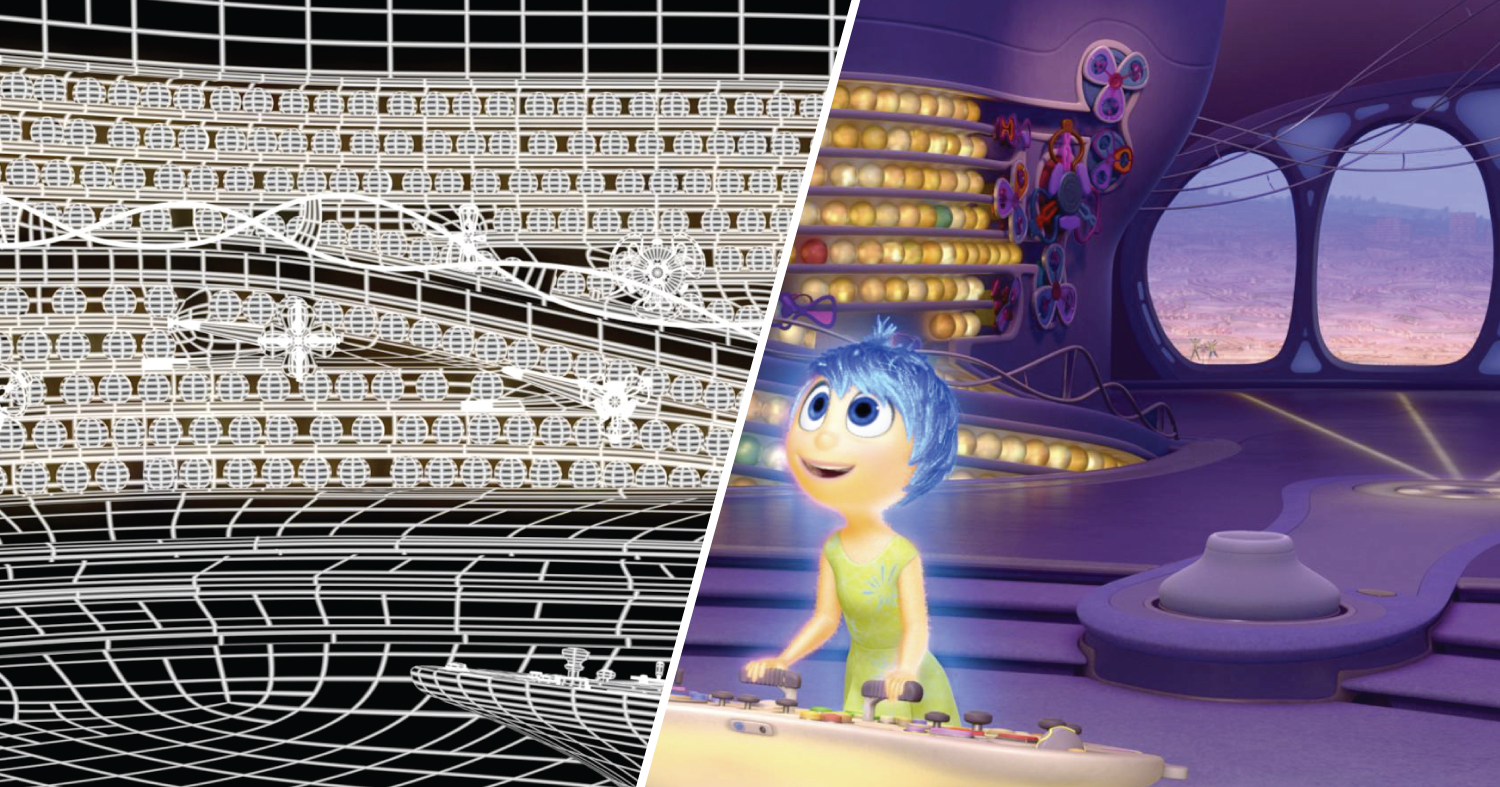
Source: Science Behind Pixar
The number of industries adopting virtual products and services is increasing exponentially while the supply of accessible compute resources has remained limited. Considering the metaverses' rendering requirements, it is clear that demand will continue to outstrip the supply of rendering resources offered by existing centralized infrastructure providers and that the existing infrastructure will not be able to scale with demand. One potential solution for keeping up with the demand is to create a worldwide distributed rendering platform, which the Render Network is aiming to create. The vision for the metaverse is a decentralized and open platform with shared ownership. In order to achieve this, the Render Network aims to lay the infrastructure for a fully public and permissionless rendering network.

Sami Kassab is an Enterprise Research Analyst focusing primarily on Web3 Infrastructure and Bitcoin. Sami previously spent 5 years as an Aerospace Engineer designing aircraft engines and missile & defense systems.