Protocol Specific Stablecoins

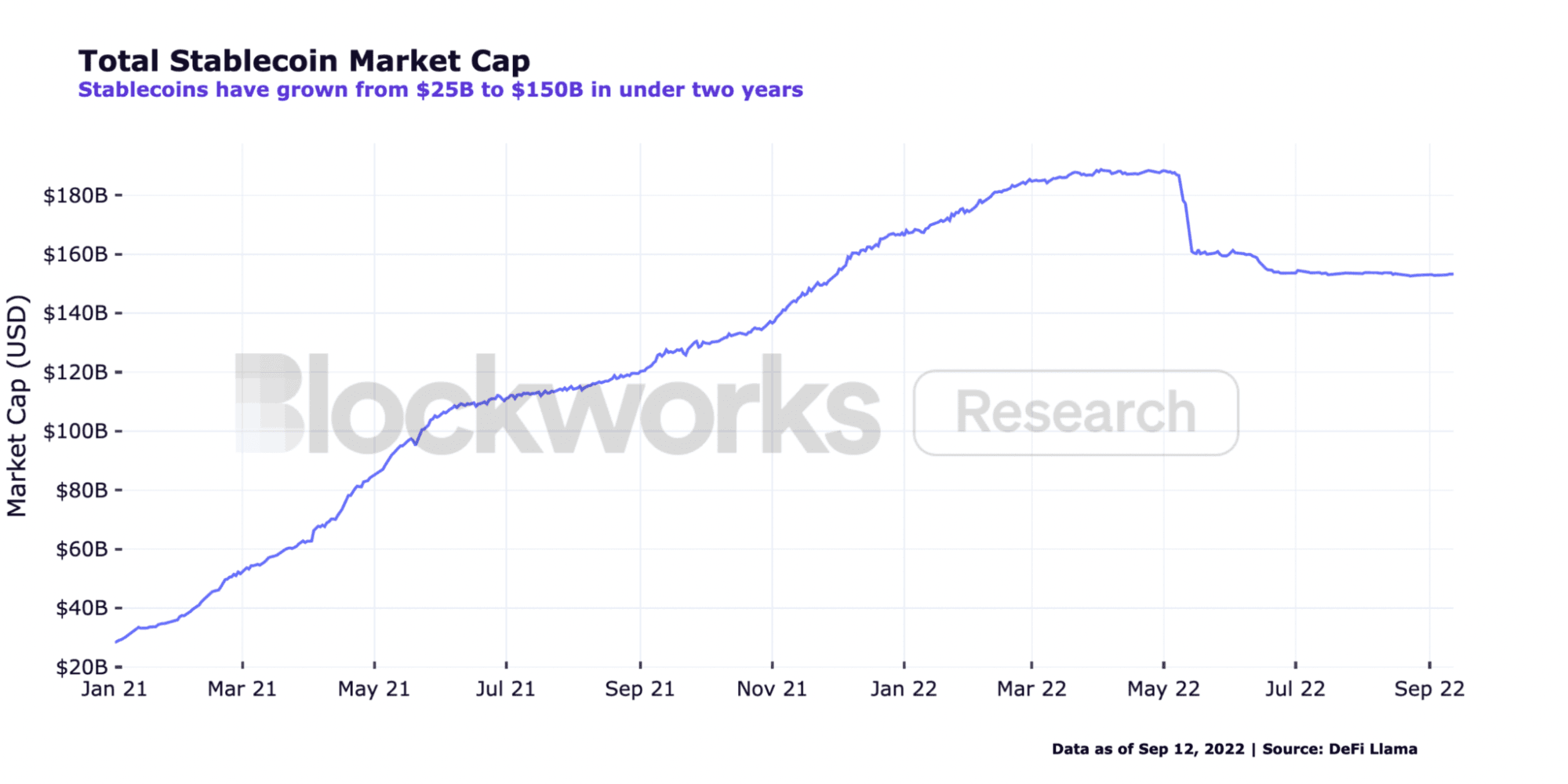
Stablecoins continue to have the greatest product-market fit of any product in crypto, as they allow dollar exposure in DeFi to either trade, make payments, store value, or earn yield. The market capitalization of all stablecoins has been steadily rising since their inception, with over $150B dollars amongst the largest players.
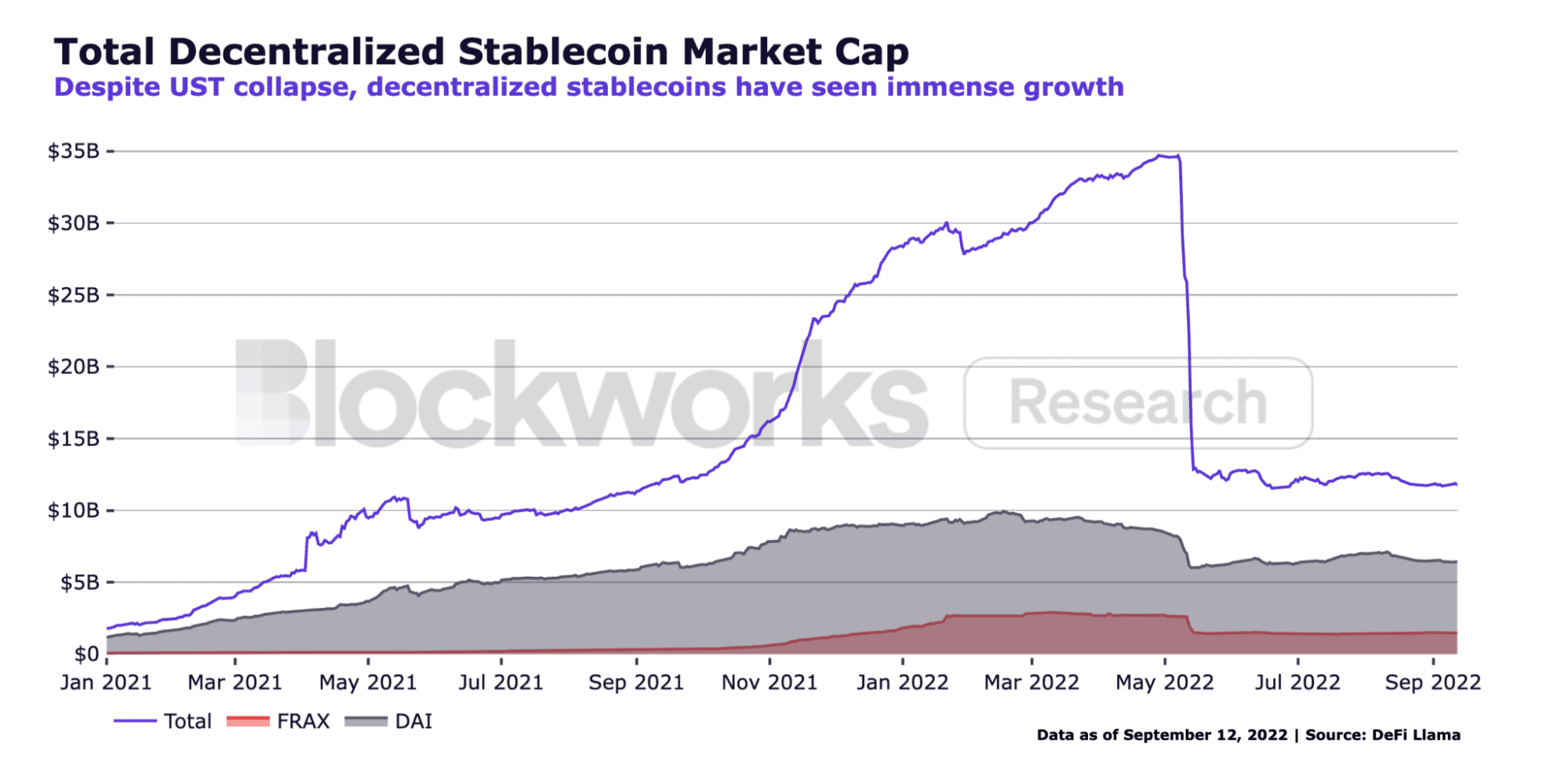
Decentralized stablecoins have also seen a large rise in adoption, growing to a peak of nearly $35B, with some more experimental options, most notably UST, failing along the way.
This has been the most exciting area of stablecoin development, as it (in theory) aims to solve one of the biggest problems with centralized stablecoins: censorship. This is especially important with the recent blacklisting and censorship by Circle for USDC holders who utilized Tornado Cash. In addition to this, protocols that have created their own stablecoin have also leveraged the ability to facilitate and denominate debt in USD terms, while using parameters within their control to increase the value accrued by the protocol.
Given the immense adoption of stablecoins, and the desire for protocols to innovate and provide value to their token holders and product users, there has been a growing trend in protocol specific stablecoins. Recently, both Aave and Curve announced their GHO and crvUSD stablecoins, which they plan to offer in the near future. While some argue this is a clear progression of DeFi protocols, others argue such experiments will prove to be futile, especially as liquidity and demand are not guaranteed.
Why Create a Protocol Specific Stablecoin?

Westie leads coverage on Ethereum, L2s, and Synthetix. Previously he worked in public sector technology Consulting at Guidehouse.