On Inflation, Treasuries, Incentive Alignment, and Fair Launches in DeFi

How do we fund the development of open source financial protocols?
There was a moment in time over the summer when the community believed it could launch new DeFi protocols without venture backing. This wave of “fair launches” provided the community with a number of DeFi’s most exciting projects including Yearn, SushiSwap, and Empty Set Dollar. However recently the community has also learned the challenges of launching without proper funding.
Earlier this week Yearn founder Andre Cronje wrote an excellent essay on the struggles of building in DeFi where he expressed his frustrations about not having any upside exposure to the project’s success but all its downside exposure. At the heart of the post was the insight that Yearn contributors aren’t compensated well enough for their efforts and token holders are too entitled.
I have to say I saw this coming from a mile away.
In October I shared a proposal with the Yearn community to stop dividends and buyback YFI instead to reward its core contributors. It was clear to me at the time that the community’s early decision to cap the YFI supply at 30,000 YFI and permanently end inflation without creating a proper funding mechanism for core contributors would be problematic. Instead a portion of the community wanted to LARP as if they were stock investors and thought the removal of dividends in order to ensure Yearn’s builders are properly compensated would be catastrophic for the token.
And VCs were supposed to be the extractive ones.
A couple days ago a few members of Yearn’s team and I shared a revised buyback proposal called “Buyback and Build” which proposed to similarly buyback YFI and distribute to core contributors - this time with more detail and more collective interest in the proposal given Andre’s recent post. No more than 24 hours later after the incentivize misalignment between token holders and core contributors became clear to everyone, even more aggressive proposals to address the issue emerged suggesting to mint new YFI.
It all got me thinking - how do we properly incentivize the core contributors of these grassroots projects to work for the long-term in a way that’s self-sustaining?
Inflation
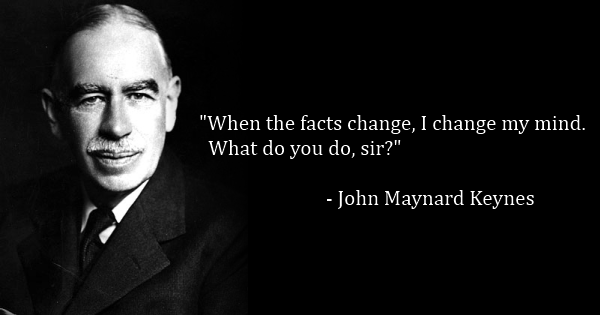
Inflation is the easiest way to fund development. It effectively forces every token holder to pay for development through losing a proportional ownership of the protocol. While many in the community scoff at inflation because of the industry’s anti-Keynesian intellectual origins, the mentality makes little sense in the context of DeFi protocols. DeFi tokens aren’t money, so why try to limit inflation in favor of a scarcity meme? If the sustainability of a protocol depends on inflation, long-term oriented token holders should have no reservations towards using inflation to fund the future. There is a reasonable perspective that introducing inflation ex-ante damages the predictability of a protocol, which is very important if a protocol is to maintain its property as trust-minimized, reliable public infrastructure. But ultimately, what matters most is social consensus on the best path forward, not memes that make “numba go up”.
Of the fair launch projects, Empty Set Dollar and SushiSwap are great examples of this strategy, both paying core contributors and funding new initiatives with tokens minted through inflation.
Pragmatism > Dogmatism.
Treasuries
In the event a protocol does not have inflation the second easiest way to fund development is through a treasury. For fair launch projects this isn’t always an option because they do not have warchests from token offerings or venture raises. But some do have community owned treasuries that control a portion of the token supply.
PowerPool offers one of the best examples of a community using its treasury to properly incentivize its core contributors after the fact. At launch the PowerPool team allocated themselves zero percent of the supply. However, after executing on their roadmap in the following months the community was happy to award them with 5% of the total CVP supply with a 12 month lock-up and 18 month vesting schedule as a long-term incentive for project development.
An alternative approach to this in the case there isn’t a community owned treasury with a pre-minted portion of the token supply is to use protocol earnings to build a treasury for compensating contributors. This was the philosophy behind our recent “Buyback and Build” proposal for Yearn, which aims to buy back YFI to distribute to core contributors and fund new initiatives. The mechanism offers a clever way to get the benefits of inflation without introducing inflation to the protocol. It offers a happy medium between funding development and ensuring a limited token supply.
Equity > Entitlement.

Incentive Alignment
It’s not enough to fund existing contributors. Protocols also need to be able to fund new contributors. Without inflation or treasury spending protocols will not be able to attract new talent in the future and existing token holders will become entrenched. A key part of on-going funding in the form of token rewards is that it serves the twin purpose of also recycling capital from older, passive token holders to active contributors. This is a key mechanism for ensuring protocols stay living and breathing even as they mature. It's the difference between a live protocol and a dead protocol.
Live protocols > Dead Protocols.

Fair Launches
Fair launches are not perfect, but they should not be abandoned. If protocols are ever to become community governed institutions its important that ownership be distributed as equitably as possible. An excellent way of ensuring this, is to make initial token distributions as equitable as possible, and fair launches may be our best shot at this.
That said, fair launches need to ensure that they satisfy all stakeholders in their ecosystems, not just token holders. It’s not about shunning institutional investors, it’s about ensuring token holders and contributors aligned. Core contributors of a protocol shouldn’t have to voluntarily relegate themselves to poverty in order to satisfy investors’ desire for grassroots protocols.
Reality > Narrative.

Funding the Future of DeFi
Either use your existing treasury to fund development, buyback and redistribute to fund development, or mint the coin to fund development.
More so than any memes it's crucial that protocols create a way to fund themselves now and into the future.

Ryan Watkins was a Senior Research Analyst at Messari. Previously, he worked at Moelis & Company as an Investment Banking Analyst where he worked on deals in the technology, telecom, and fintech sectors. Ryan graduated Magna Cum Laude from the Gabelli School of Business at Fordham University.