Helium: Exponential Coverage

Helium is a decentralized telecommunications network that uses LoRaWAN technology to connect Internet of Things (IoT) devices to the internet. Also known as The People’s Network, Helium has reached a tremendous milestone of over 150,000 hotspots deployed globally in just over two years. This marks it as the largest contiguous wireless network owned by its participants, not a single company.
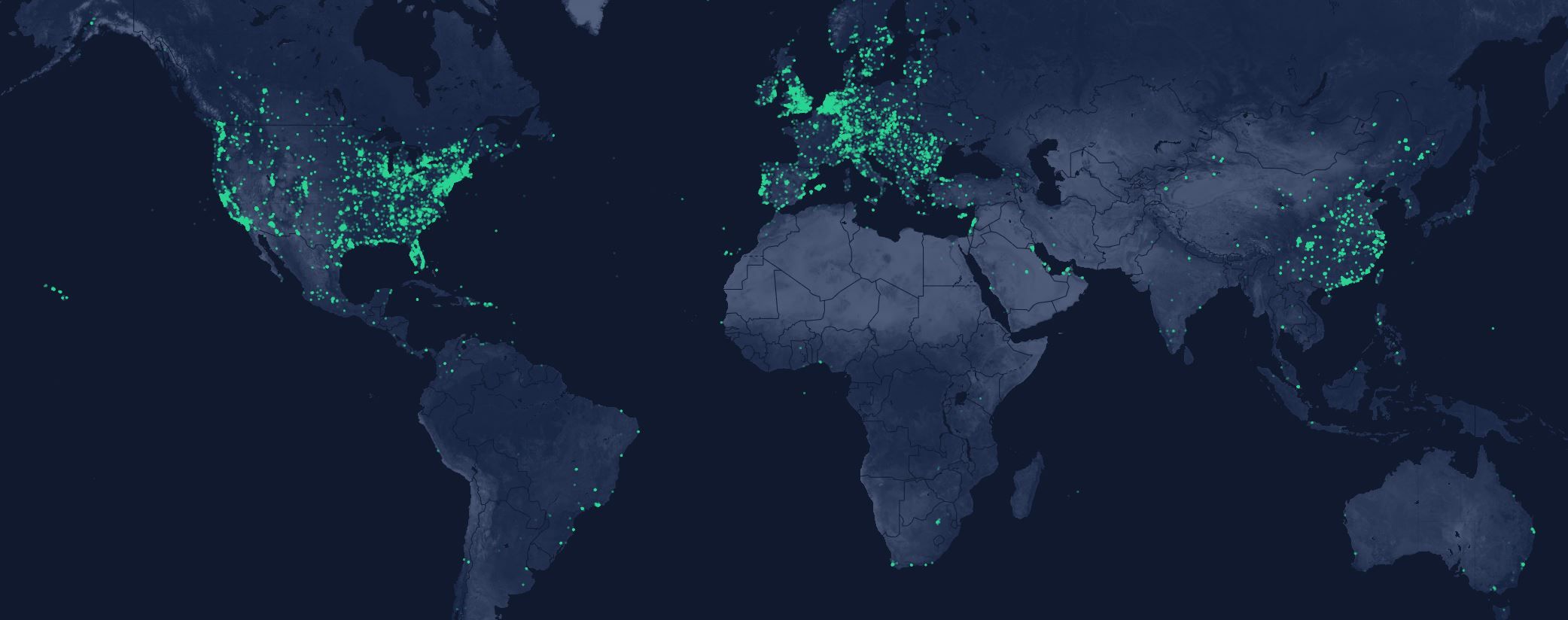
Source: Helium Explorer
Helium Inc.’s original goal was to build a giant wireless network that would support a world soon to be filled with millions of sensors in devices that would require a low-power, low-bandwidth, and low-cost network to connect to the internet. The problem with this vision is that disrupting the telecommunications industry in the past has been near impossible due to the large amount of capital required to invest in building a network and the complexity that comes with building and maintaining the infrastructure. Many start-up companies have tried to reach Helium’s level of success, but none have succeeded due to the fact that the majority of networks only had limited areas of coverage, the incentives for the participants were not in place, the different networks were siloed off from one another, and they were not truly open nor permissionless.
Tokenized Incentive Mechanism
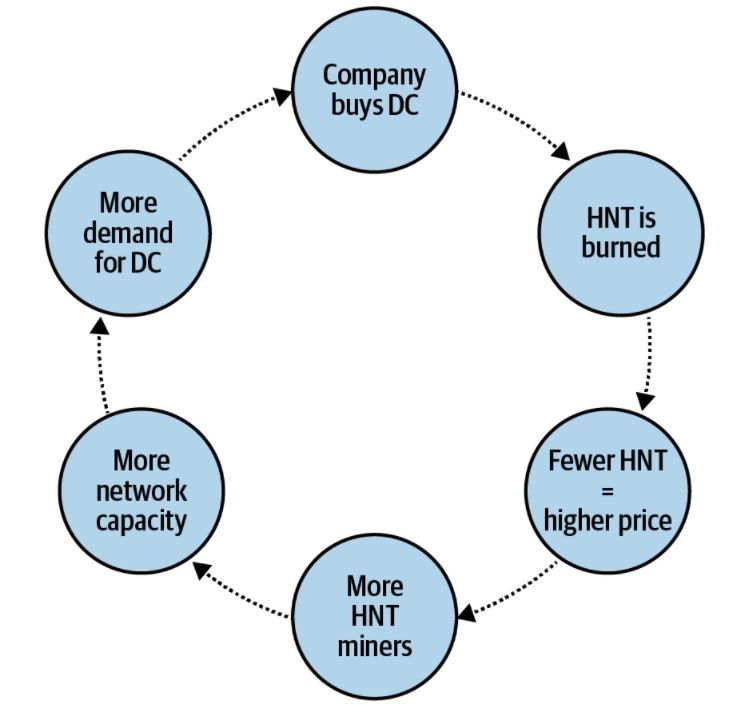
The secret to Helium’s rapidly growing network is the tokenized incentive system, i.e tokenomics, made possible by its blockchain. It allows network participants to easily coordinate economic activity required to build a global network while also allowing participants to directly benefit from its success. The hotspots not only provide wireless coverage, but they also act as a network node and a miner for Helium’s Network Token, HNT. Customers wanting to use the Helium network to transfer data use the second native token known as a Data Credit (DC), which is set at a fixed price of $0.0001 per 1 byte of data. When Data Credits are acquired, HNT is burned, which ends up reducing the amount of HNT in circulation. This results in an increased value in existing HNT and provides more of an incentive to bring additional hotspots onto the network.

Sami Kassab is an Enterprise Research Analyst focusing primarily on Web3 Infrastructure and Bitcoin. Sami previously spent 5 years as an Aerospace Engineer designing aircraft engines and missile & defense systems.