Goldfinch Finance - Let's Get Real

Crypto loans so far have suffered from two major limitations. First, the borrower pool is limited, consisting primarily of crypto natives borrowing to speculate and trade in crypto markets. This makes the underlying demand for loans and, consequently, the yield heavily dependent on market conditions. The need for borrowing increases when the market is exuberant, raising interest rates with it. But when the market outlook is weak, demand for loans and yields fall.
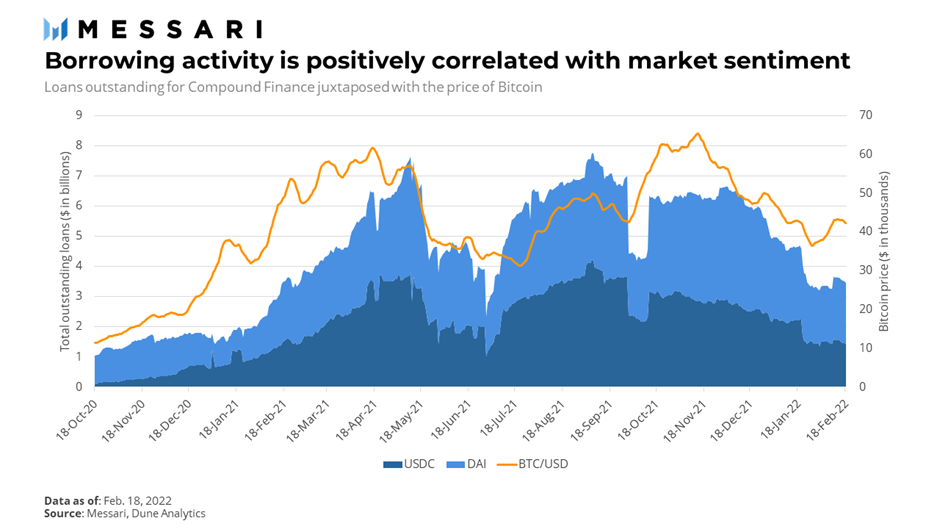
The second limitation of crypto loans is that they must be overcollateralized. A borrower using an anonymous wallet without an identity system or a credit score cannot be expected to repay a loan if it is given to them without sufficient collateral. This holds true for most of the crypto lending market, with a few exceptions, like Iron Bank and Maple Finance lending to approved crypto protocols and institutional players, and flash loans on Aave that must be repaid within the same block.
Goldfinch Finance provides zero-collateral loans to approved entities in the real world, thereby addressing both of the limitations of crypto lending protocols. By offering loans to borrowers outside of crypto, Goldfinch brings returns from real-world commerce to the crypto ecosystem. It is able to address an entirely new borrower base and generate returns that are completely uncorrelated to the crypto market.
Further, by having a unique protocol design and lending only to approved entities instead of anonymous wallets, Goldfinch is able to provide undercollateralized loans. The protocol design aligns the individual’s incentives with that of the greater whole and it rewards active participants and risk-takers.
Protocol Design
Goldfinch caters to lending businesses, like debt funds and fintech companies, providing them with a credit line in USDC that they can convert to fiat and further deploy it to their borrowers.

Kunal previously worked in equity research and now considers himself a financial analyst in crypto. He specializes in valuation and bottom-up analysis for Layer-1 and DeFi protocols because he has yet to learn of a way to value NFTs.