Goldfinch Default: The Double-Edged Sword of RWAs

Between booking a 3.95% loss on their total NAV and releasing an innovative front-end UX, nothing quite encapsulates crypto like the week Goldfinch had. Tugende Kenya, a motorcycle taxi financier headquartered in Uganda, borrowed $5 million from the Goldfinch protocol and breached several covenants of their loan agreement by making a $1.9 million loan to another related branch, Tugende Uganda. According to the blog post, due to macroeconomic factors (most notably inflation and rising energy costs), Tugende Uganda’s balance sheet has deteriorated, resulting in a net 3.95% write-down to the NAV of Goldfinch’s Senior Pool.
Tugende’s default showcases the vulnerability of crypto platforms when entangled with real-world assets, especially in regions where traditional financial checks and balances may be lacking. Despite the transparency and enforcement through smart contracts, the reality remains that counterparties are often at the mercy of borrowers. In regions without robust credit score systems or where legal frameworks to enforce loan covenants are weak, the risk is exacerbated. The very nature of DeFi, which eliminates intermediaries, also means there's limited recourse in the face of defaults.
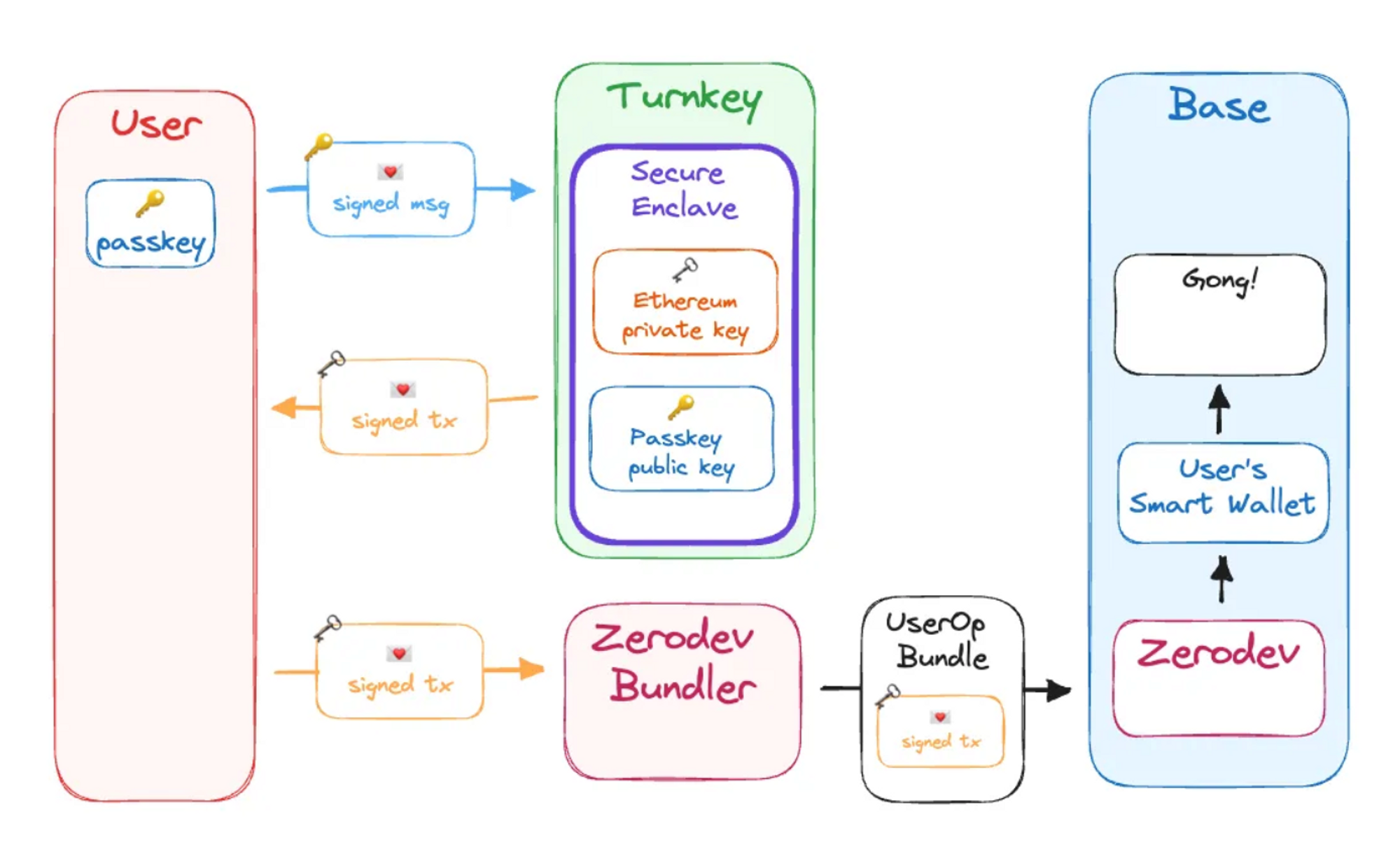
On the other hand, Goldfinch's recent UX release introducing self-custodial hardware wallets on any device, without the use of seed phrases or chrome extensions is certainly impressive. Abstracting away the complexity of DeFi (easy-to-use log-ins, no gas fees, and cheap transactions by way of Base) has been a long time coming. It is equally encouraging that it's built by a dApp instead of an infrastructure protocol.
Crypto is far beyond the phase of attracting retail; the next phase is keeping retail. Improving UX is a massive priority, but so is building robust products. The Tugende default, though unfortunate, is a sobering reminder of both the technical and physical externalities at play.

Toe is a technical research analyst at Messari specializing in DeFi coverage. Before joining Messari, he worked as a data scientist at both Celsius Network and IBM. Toe graduated from the University of Michigan School of Information.