Glow V2: Democratizing Decentralized Solar

Glow V2 represents a fundamental evolution in DePIN economics, moving from developer-dictated optimization toward human-directed capital allocation while preserving the competitive mechanisms that drive efficiency. The Glow V2 structure distributes participation across retail buyers, capital delegators, and regional communities, each with distinct risk profiles and incentive alignment.
Recent federal action on energy interconnection could materially accelerate DePIN energy deployment timelines. In late October 2025, Secretary of Energy Chris Wright directed FERC to propose rules allowing joint co-located load and generation interconnection requests, specifically targeting data center and industrial loads. The proposed rule aims to significantly reduce study times and grid upgrade costs while accelerating the timeline for new energy generation to come online. For protocols like Glow that aggregate distributed solar assets, streamlined interconnection processes directly address one of the sector's most persistent bottlenecks. If FERC adopts Wright's proposed framework, solar farms could bypass lengthy single-generator queues by co-locating with industrial or commercial loads, particularly benefiting Glow's US-focused regional projects, which currently command ~71% of GLW subsidies but face domestic interconnection barriers that don't exist in India's less congested grid environment. The timing aligns with Glow V2's geographic diversification strategy, potentially validating the protocol's bet on US regional expansion by reducing one of the key structural disadvantages that made V1's India focus optimal. However, implementation timelines remain uncertain, FERC rulemaking typically requires 12-18 months from proposal to final rule, meaning near-term deployments will still face existing queue constraints.
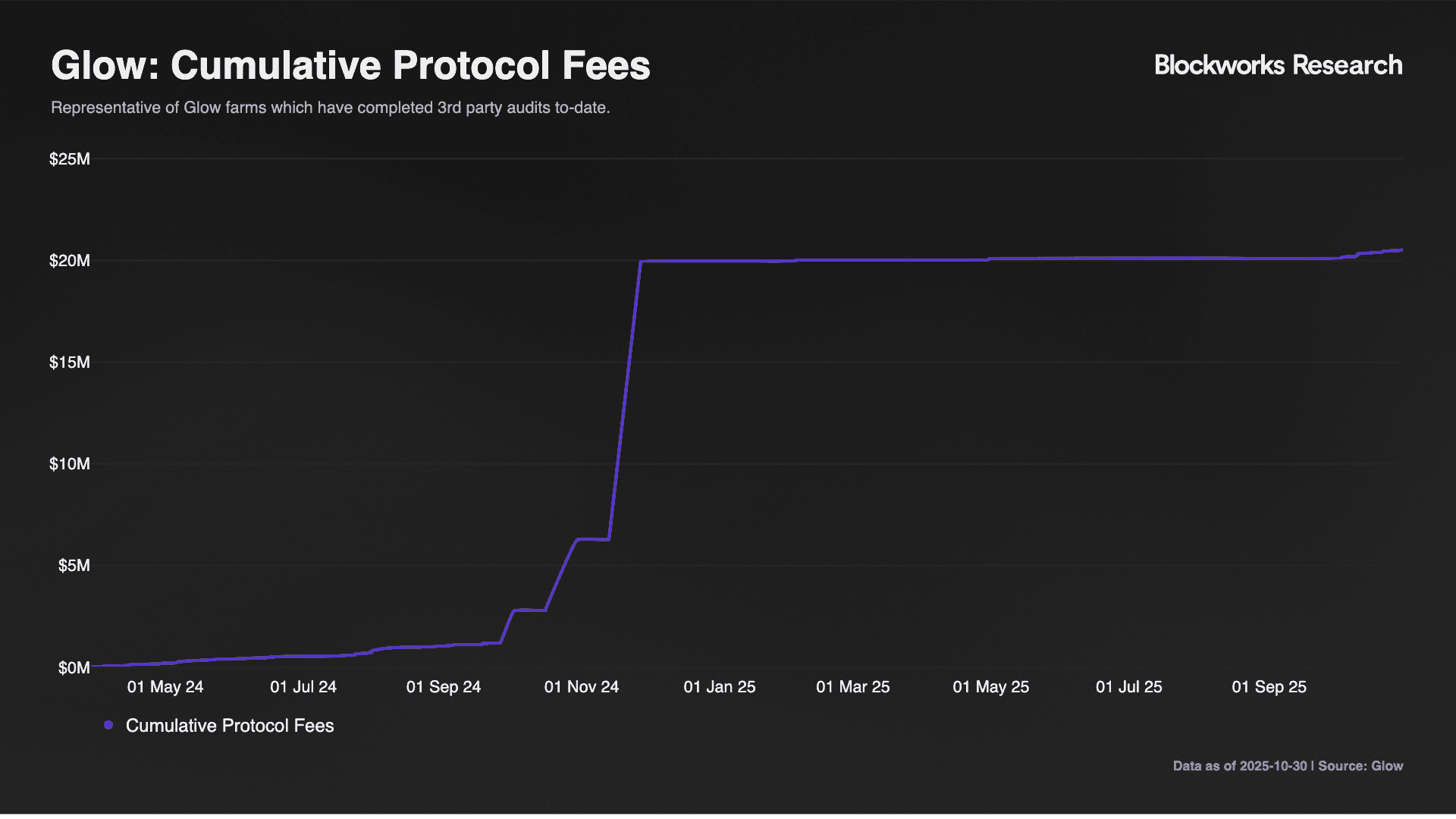
The key innovation is GCTL's ability to harness capitalism's efficiency while subordinating it to human values. Where V1 followed money to maximum carbon displacement, V2 enables communities to define their own success metrics and direct subsidies accordingly. This flexibility should expand Glow's addressable market significantly, though at the cost of diluting pure carbon efficiency. Whether this trade-off attracts sufficient capital to scale V2 beyond V1's $20 million deployment milestone remains uncertain.
Early momentum supports this thesis. Since Glow V2 launched, the protocol has consistently added a new solar farm every week while decreasing the liquid supply of GLW weekly. This sustained cadence, combined with partnerships like GoodPWR's national installer agreement spanning 25+ states, suggests the simplified bounty interface and regional flexibility are successfully attracting traditional solar operators who previously lacked the capital or crypto expertise to participate in V1.
The protocol's technical innovations are sound. Expectation-based rewards protect delegators from operational risks, the fractionalized Launchpad enables broad participation, and the Endowment's rebalancing mechanism provides genuine price support for GLW. However, V2's success hinges on factors outside the protocol's control: whether communities can successfully coordinate GCTL campaigns, whether traditional solar installers adopt the bounty system, and whether GLW token economics can sustain long-term demand as emissions dilute holder stakes.
Key Risks

Nick leads coverage on the DePIN and Proof of Work sectors. Previously led research and engineering at a DePIN-focused accelerator.