Edgware Lockdrop

This post was originally published on June 27, 2019, and sent to Messari Pro subscribers.
A lingering problem in crypto has been on how to conduct initial token distributions. We’ve seen how many ICO’s played out in 2017 when speculators purchased the majority of tokens in “whale” transactions. We’ve seen projects like Stellar use an airdrop with multiple partners to give them away for free. We’ve seen teams get creative with how they introduce new tokens such as Livepeer’s Merkle Mine.
Every method we’ve reviewed so far faces its own challenges in terms of getting tokens into the hands of those who will use them as “intended”. The team working on Edgeware, however, is trying out yet another new approach.
Some 90% of EDG tokens will be distributed through what’s being called a “lockdrop,” which entails prospective EDG holders locking up their ETH for either 3, 6 or 12 months. Those who don’t want to lock up ETH in the lockdrop can still “signal” with it but will be awarded much less EDG and cannot validate on the Edgeware network at genesis. What’s interesting is that signalers do not actually need access to their funds in order to signal. (This means the unfortunate owners of the nearly 500,000 ETH in the Parity multi-sig bug are able to participate.)
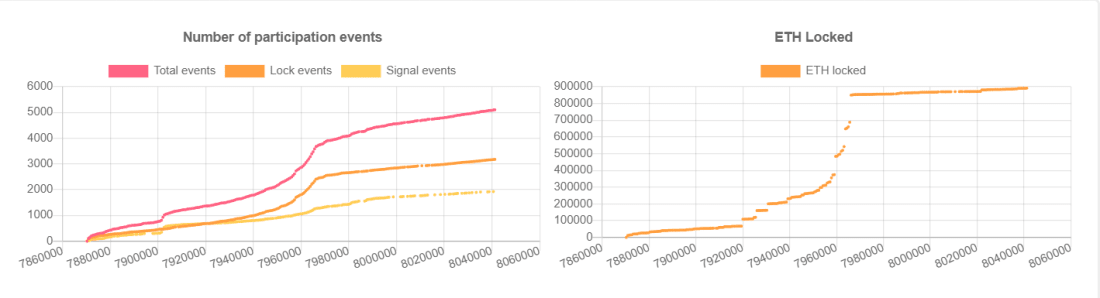
The lockdrop model is unique in that users do not have to pay anything to receive their tokens, but yet they also don’t really get them for “free” since there’s an opportunity cost to locking up collateral that could otherwise (especially now) be put to productive use during that time (e.g. in lending markets). EDG is available to anyone who holds ETH, giving it the wide distribution of a traditional airdrop, but with outsized distribution to those who would seek to become active network participants.
There are downsides. For one thing, no money is raised initially to fund development under a lockdrop model like this, so Edgeware will rely solely on inflation rewards. At the same time, and even though investors are not explicitly paying for new tokens, there is precedent for the SEC to rule certain airdrops are securities because token holders “pay” for them through promotional and marketing efforts. Right now, ~2% of all ETH is locked or signaled for the EDG lockdrop with over 5,000 addresses primed for the event.
The lockdrop will run until September 1, so the project could continue to build momentum or flame out. So far it sure does look like another case study for superfluid collateral.
