Distributed Validator Technology (DVT) Landscape

In an attempt to increase the robustness and inclusiveness of the Ethereum Proof of Stake network, the concept of Distributed Validator Technology (DVT) is at the forefront of the Ethereum scaling roadmap. DVT aims to bolster the security, resiliency, and ease of running an Ethereum validator by decentralizing the operation of a validator across multiple operators and machines. With a validator run through DVT, risks surrounding single points of failure such as slashing due to downtime (node failure) and operational security of key management (key theft) are reduced tremendously.
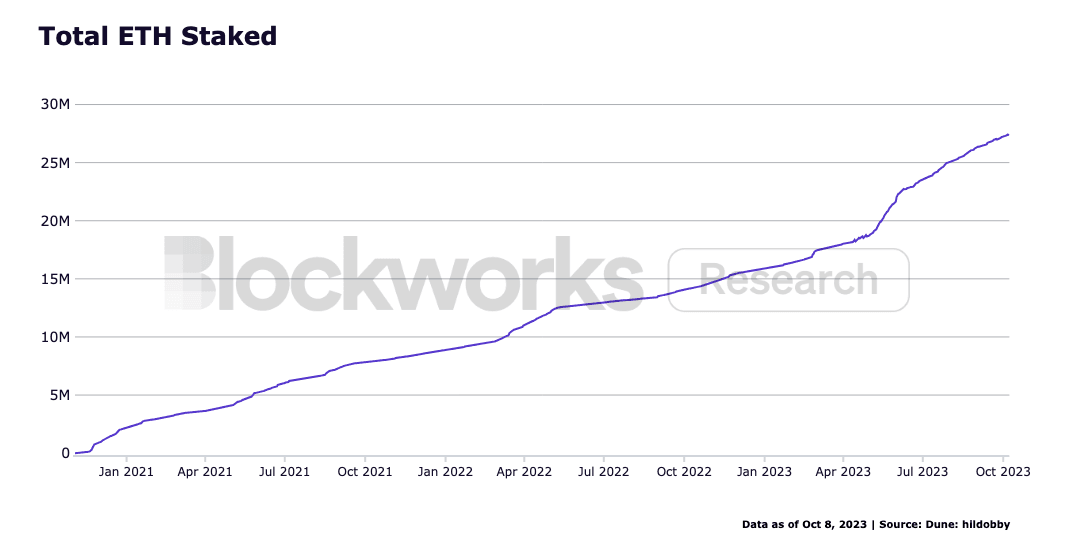
Creating an Ethereum validator today requires a user to have 32 ETH, the technical sophistication to create and maintain the hardware and software client associated with a validator, and about $1,000 for hardware investment. Once the node is set up, validators must ensure proper operational security with the two key pairs they generate: validator keys and withdrawal keys.
While withdrawal keys can be kept in cold storage, validator keys must be online (“hot”) and used for signing blocks. Withdrawal keys have the sole ability to access funds but if validator keys are compromised, a malicious actor may be able to cause a validator to be slashed. The operator must also ensure uptime (stable internet, electricity, client upgrades, etc) or slashing can occur. Even if a node operator achieves all of the above, a client bug could lead to slashing without any fault of their own. The machines are the hardware devices and the clients are the software that interacts with the Ethereum network.
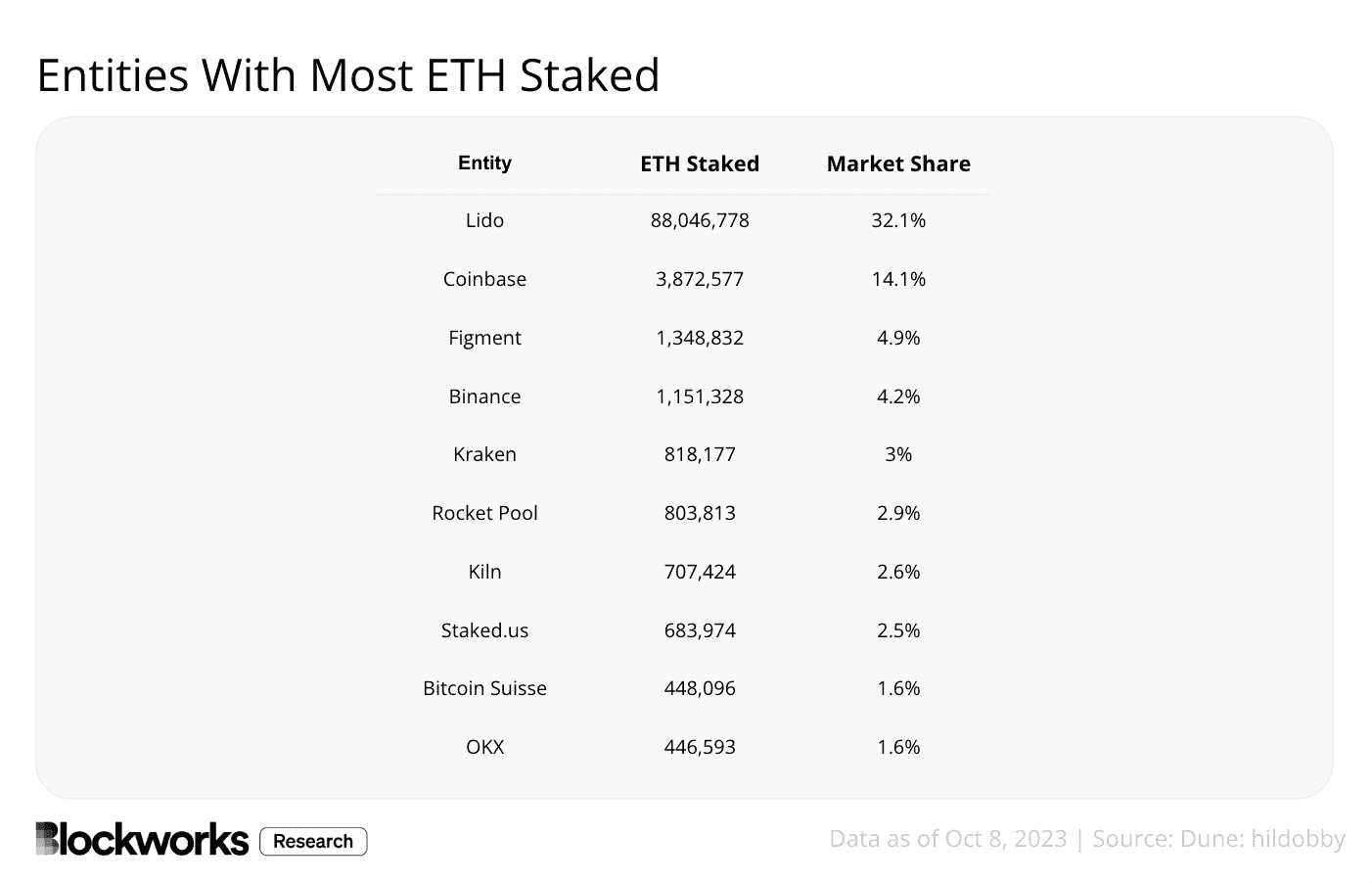
For an average person, maintaining consistent node uptime and proper operational security can be challenging. These detrimental factors and barriers to entry may disincentivize solo stakers leading to the growth of staking through LST providers like Lido, staking pools, or centralized exchanges. Even with Lido maintaining 31 independent node operators, all result in more centralization of the network. This is exemplified by Coinbase and Lido today maintaining a combined market share of over 46% of all staked ETH.
DVT seeks to address the challenges of key management and node uptime by enabling multiple hardware devices presumably running different Ethereum client instances, each possessing a fragment of the validator key, to collaboratively function as a unified single validator.

Matt leads coverage on DEXs, derivatives, governance, and the Avalanche ecosystem. Previously he worked as an Analyst at Ikigai Asset Management and Teller Finance.