Daylight’s Token Stack: GRID, DAY, and GTM

Introduction
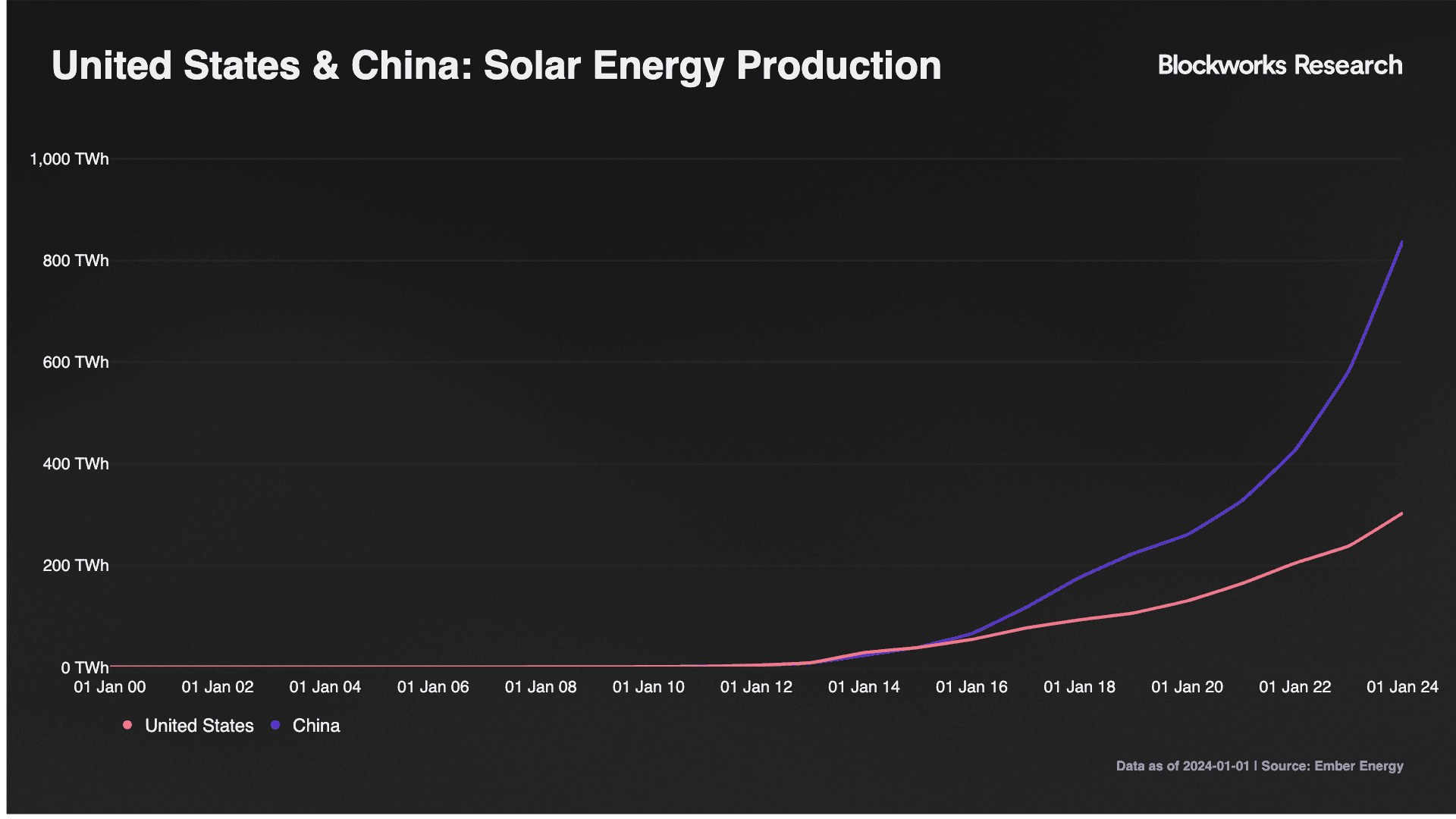
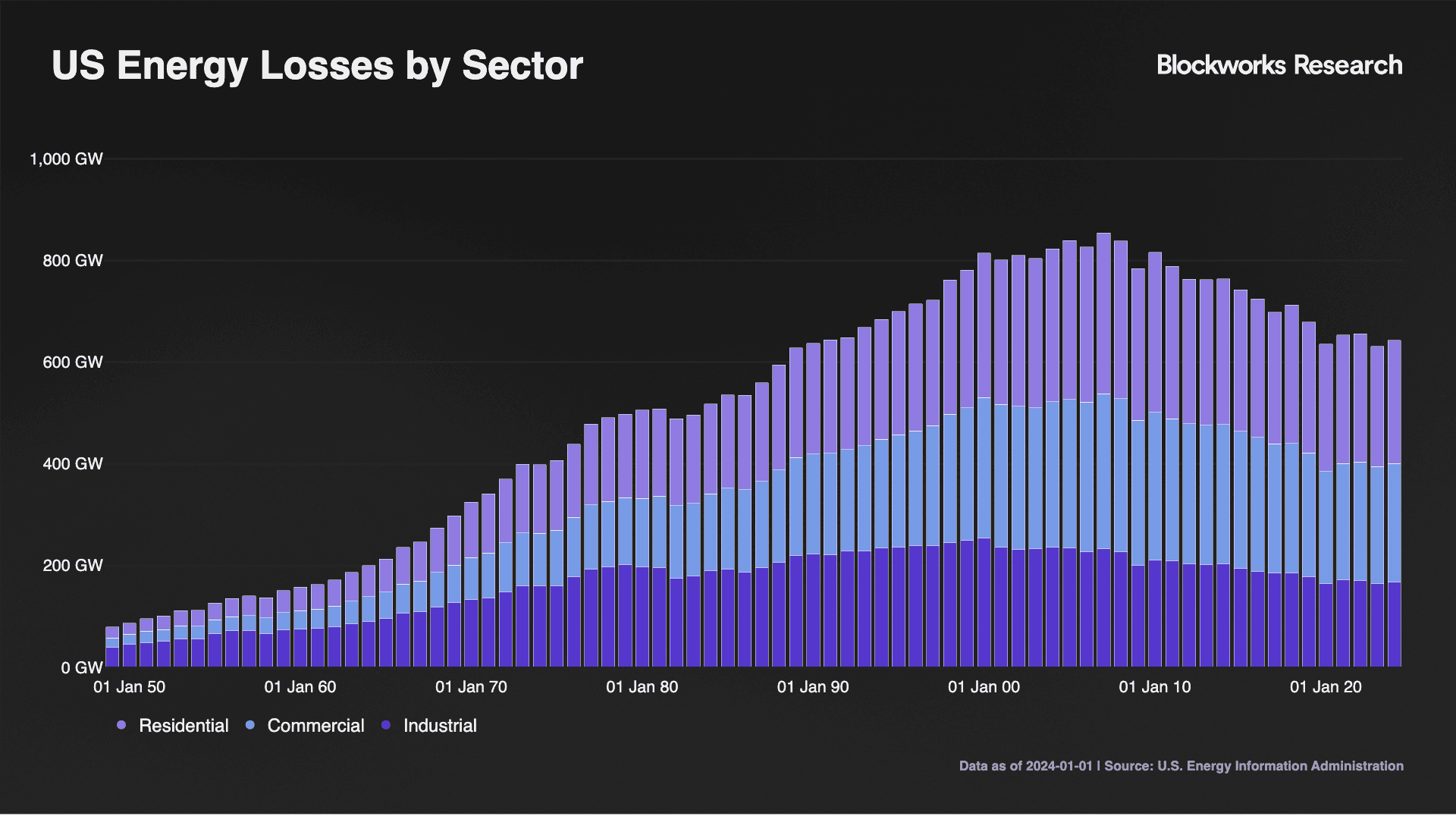
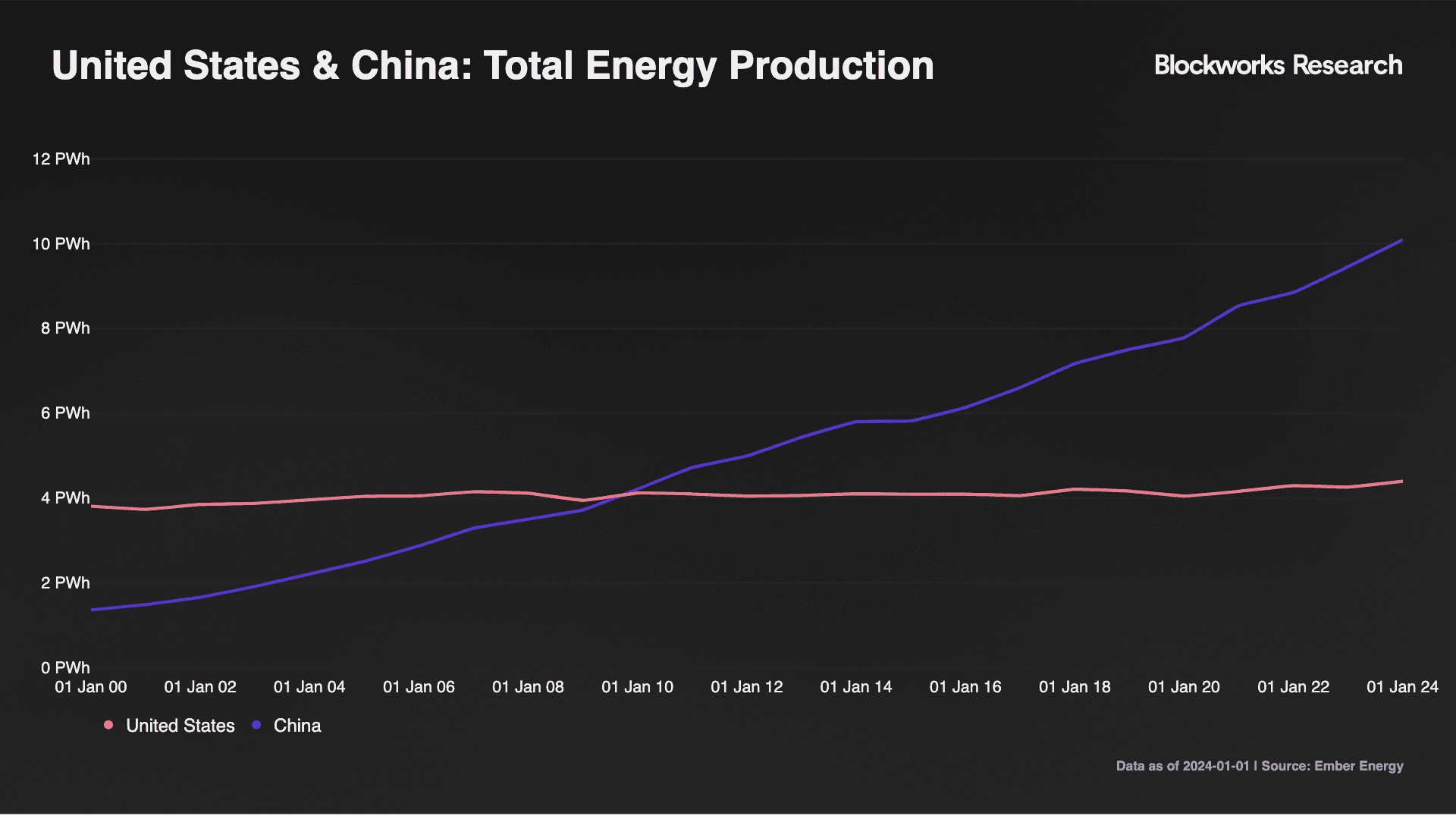
Across the US, electricity demand is accelerating faster than power generation and delivery infrastructure can accommodate. While China's energy generation capabilities have surged from ~1.5K TWh to 10K+ TWh over the past two decades, US generation has remained relatively flat over the past two decades at ~4K terawatt-hours annually, creating what OpenAI has termed an "electron gap" that threatens American competitiveness in AI and other strategic technologies. In the US, transmission and distribution costs have more than doubled even as generation costs have fallen, creating a paradox where cheaper electrons become more expensive to deliver. The broken economics of centralized delivery collide with 500+ planned data center facilities totaling ~125 GW working through permitting processes, representing demand growth that traditional infrastructure simply cannot absorb. Meanwhile, utilities face 30+ month interconnection queues for new capacity, leaving data centers in markets like Silicon Valley sitting empty awaiting power connections. The centralized model of generation feeding passive consumption cannot respond fast enough to meet surging AI and electrification demand.
Energy markets operate on predictable settlement rails. Utilities pay for capacity months in advance, grid operators settle transactions in fiat, and homeowners expect stable cash payments for grid services. Daylight Energy (FKA React Energy), has secured $75M in new financing to accelerate deployment of distributed energy infrastructure, including $15M in equity and a $60M project development facility. This capital structure mirrors the protocol's design by separating growth capital from infrastructure financing. The company currently operates across a handful of US states including Illinois, Massachusetts, New York, New Jersey, and Pennsylvania, installing solar panels, batteries, and smart devices through Energy Subscriptions with no upfront cost to homeowners. Daylight has built operational infrastructure generating revenue from Power Purchase Agreements (PPAs), grid services, and federal incentives before introducing blockchain elements, establishing proven unit economics and customer acquisition channels first.
The core opportunity lies in aggregating distributed energy resources at scale while maintaining the settlement stability that energy markets demand. Utilities need predictable capacity commitments measured in months and years, and homeowners need stable cash payments for grid services. Traditional Virtual Power Plant (VPP) operators like Tesla and Sunrun have proven the model works but these centralized platforms capture most of the value while homeowners receive minimal compensation. Daylight's thesis is that blockchain rails can create transparent pricing, reduce coordination costs, and enable direct capital access for distributed infrastructure, but only if the settlement layer remains stable. However, it remains unclear if blockchain rails are beneficial to the VPP model.

Nick leads coverage on the DePIN and Proof of Work sectors. Previously led research and engineering at a DePIN-focused accelerator.