Crypto Will Value The Long Tail of Intangible Assets

The most valuable assets are intangible. However, this hasn’t always been true.
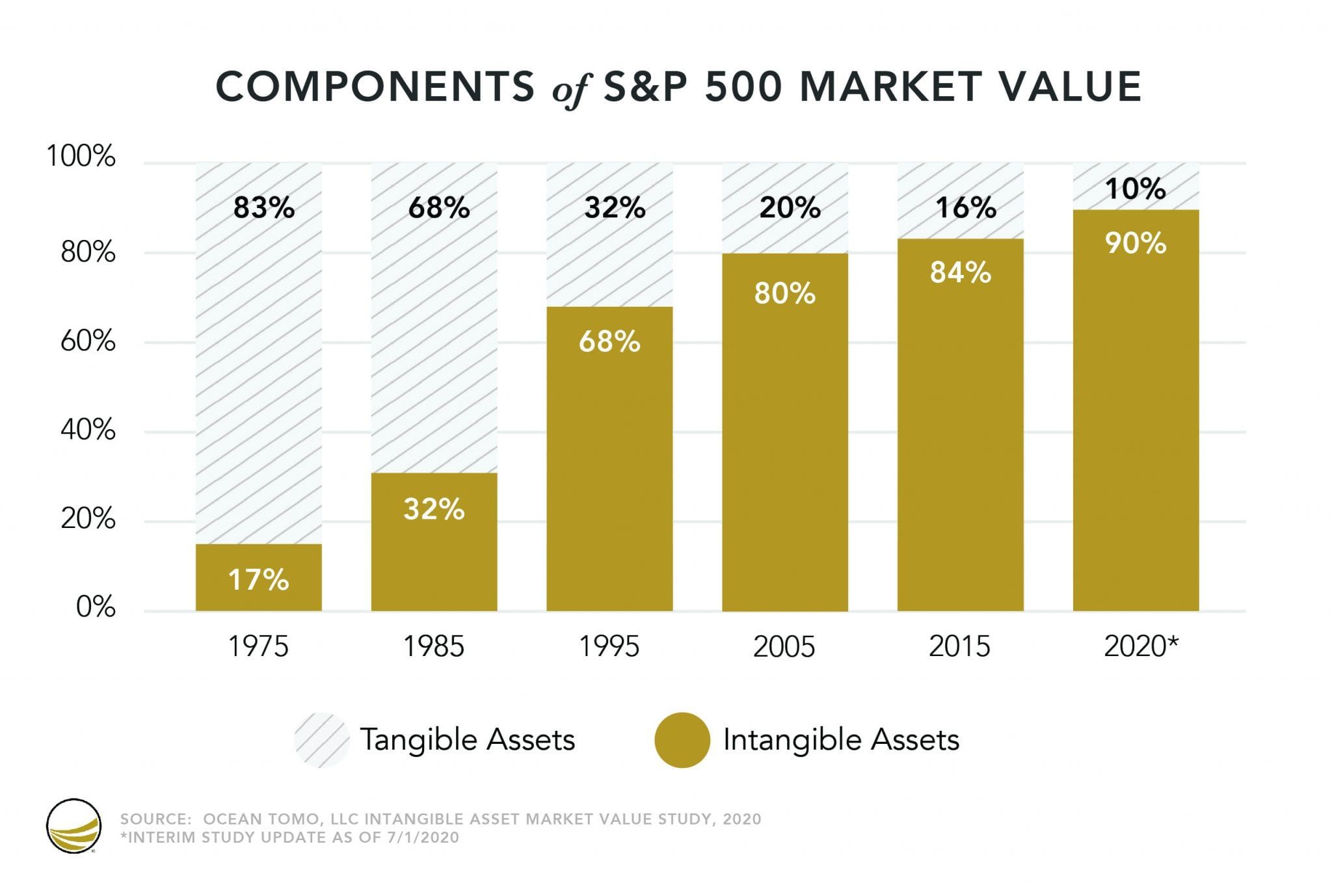
Before the 1990’s the most valuable assets – as categorized as components of the S&P 500 – were tangible assets. Manufacturing, equipment, and real estate were some of the more valuable assets on a firm’s balance sheet. Unsurprisingly, the shift from valuing intangible assets evolved with the advent of the internet and the U.S transition to a service-based economy.
As a result, the most valuable assets in the U.S economy are now intangible. In corporate mergers and acquisitions, “Goodwill” is often added to the financial statements to reflect good customer relations, the value of proprietary technology or a brand name. Approximately 90% of the market value of the S&P 500 comes from intangible assets (i.e. intellectual property, brands) versus tangible assets (i.e. cash, land, etc).
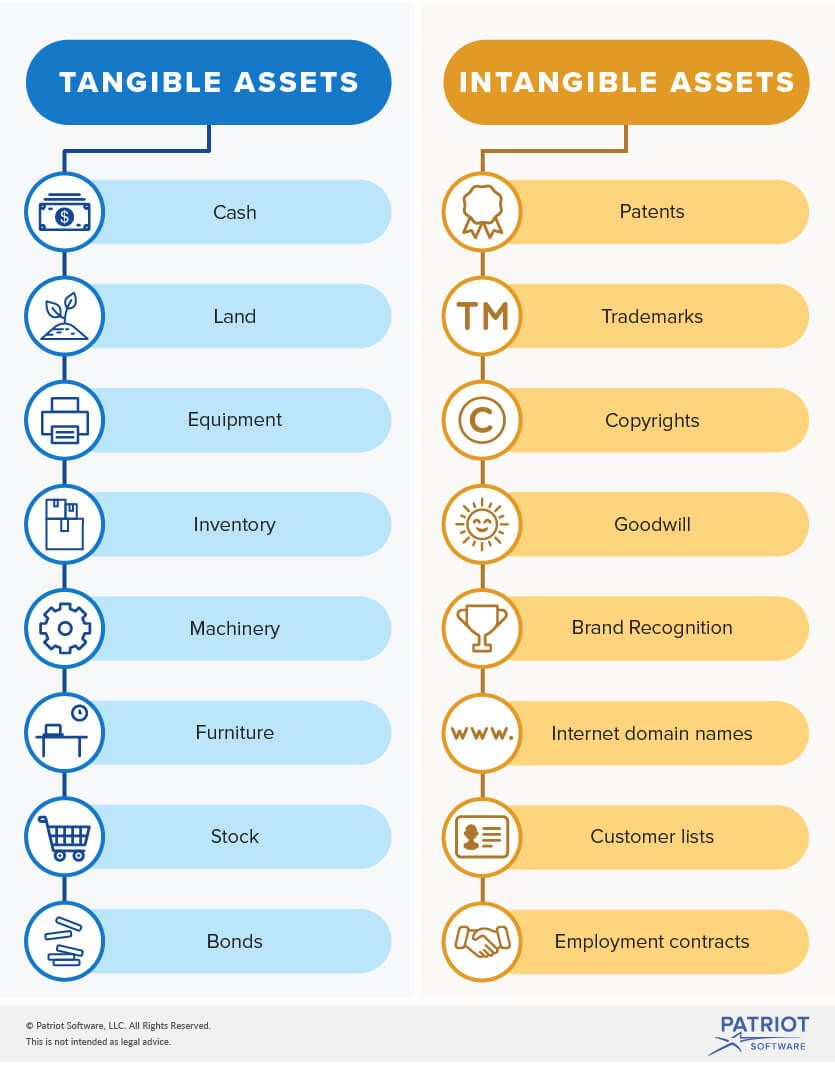
For those less familiar with what comprises intangible and tangible assets, below is a good list of existing assets by their respective category.
Maybe this trend doesn’t surprise you, as it might intuitively make sense in the context of everyday life. Disney+ is valuable because of Marvel and The Mandalorian. Consumers buy Jordans even though he hasn’t played in nearly two decades. People drink Coca-Cola instead of the clearly tastier Pepsi because they like adorable polar bears. More recently, Fortnite Skins – digital clothing in Fortnite that provides no in-game performance benefits – are a multi-billion dollar industry.

Mason was a Senior Research Analyst at Messari focused on Web3 protocols and cryptoassets. Before Messari, Mason worked at ConsenSys as a Content Marketer focused on marketing strategy. Mason obtained his Master’s in Business Management at Hong Kong Baptist University.