Bitcoin December 2025 Update

Flows
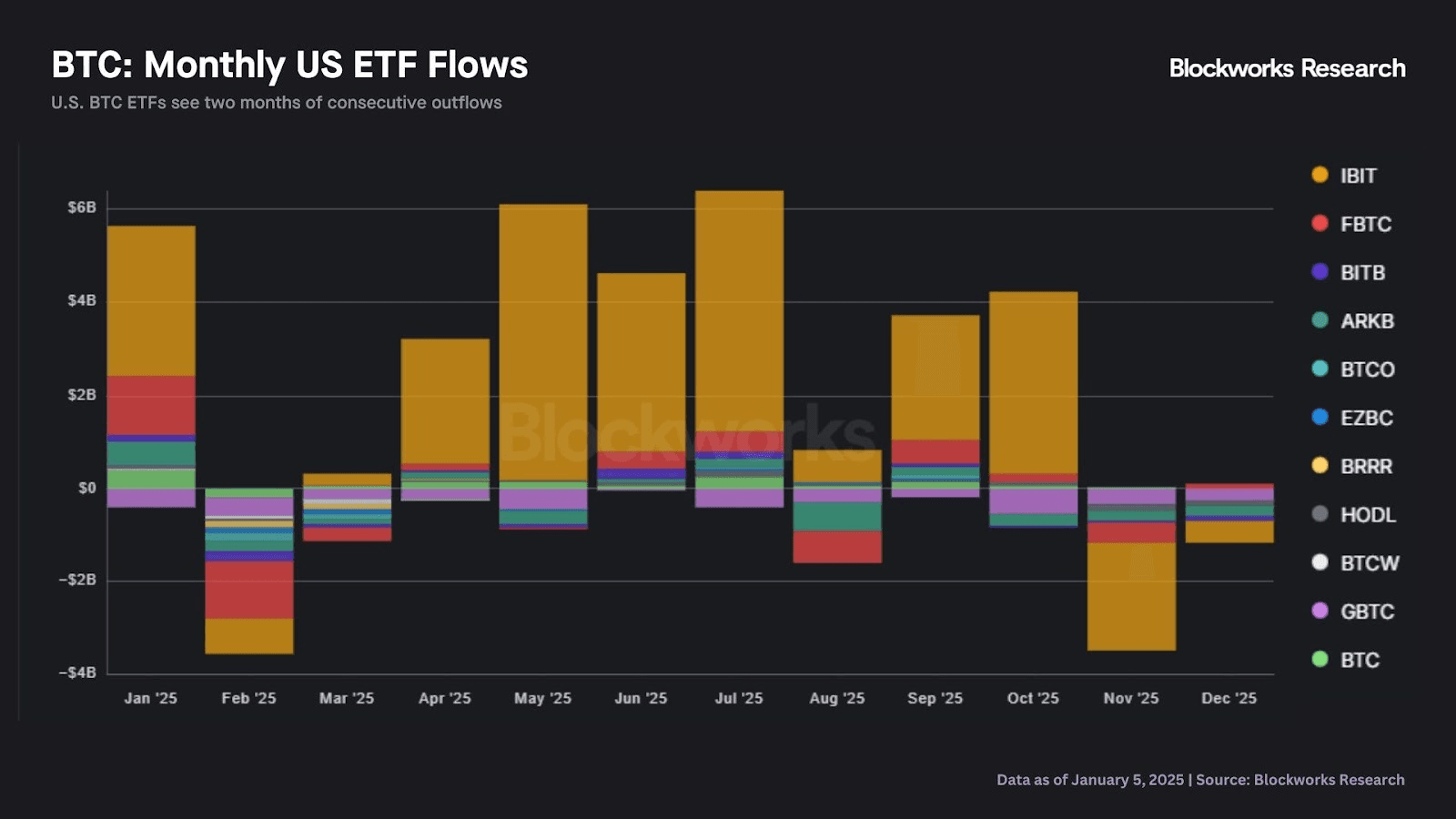
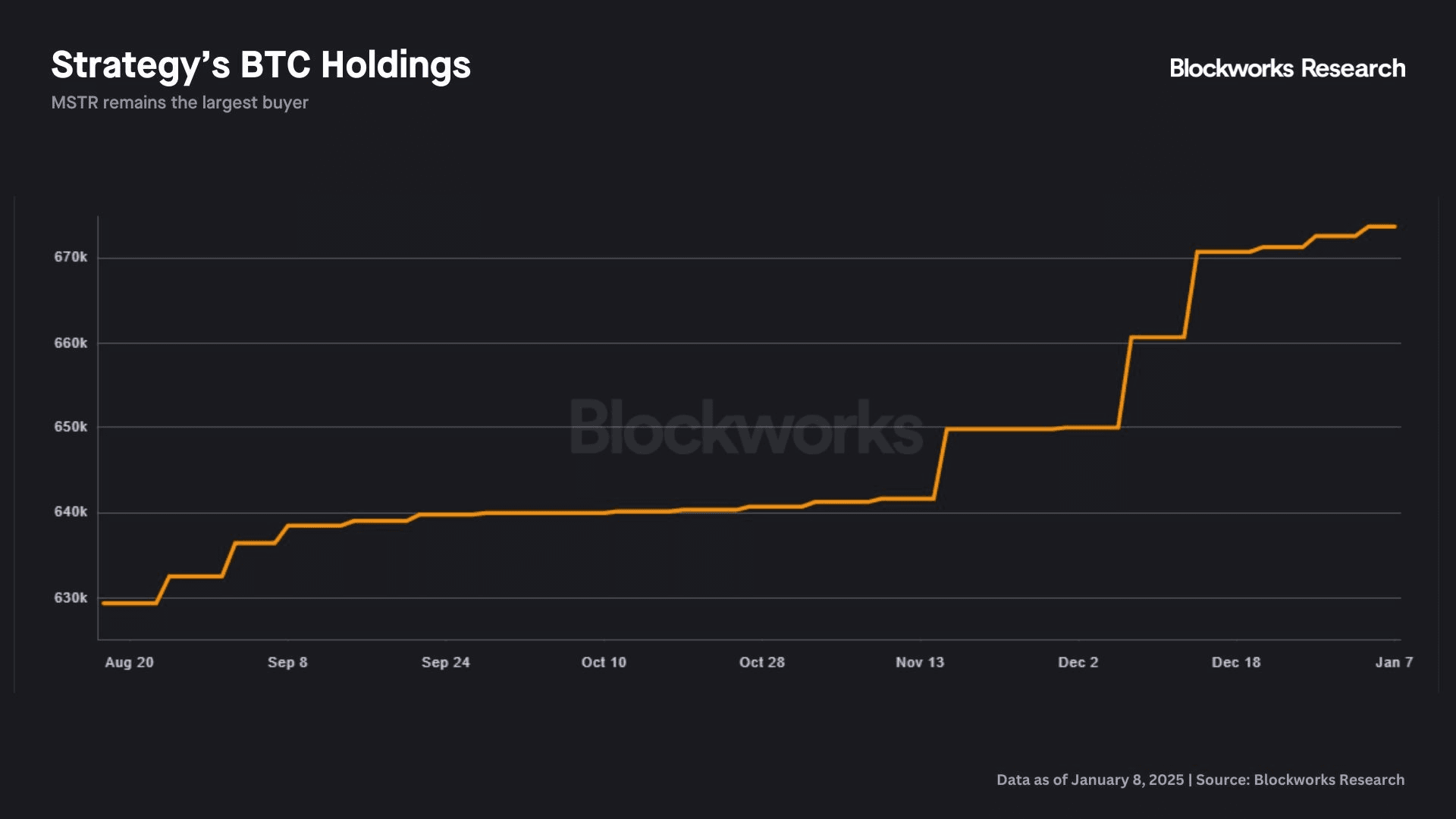
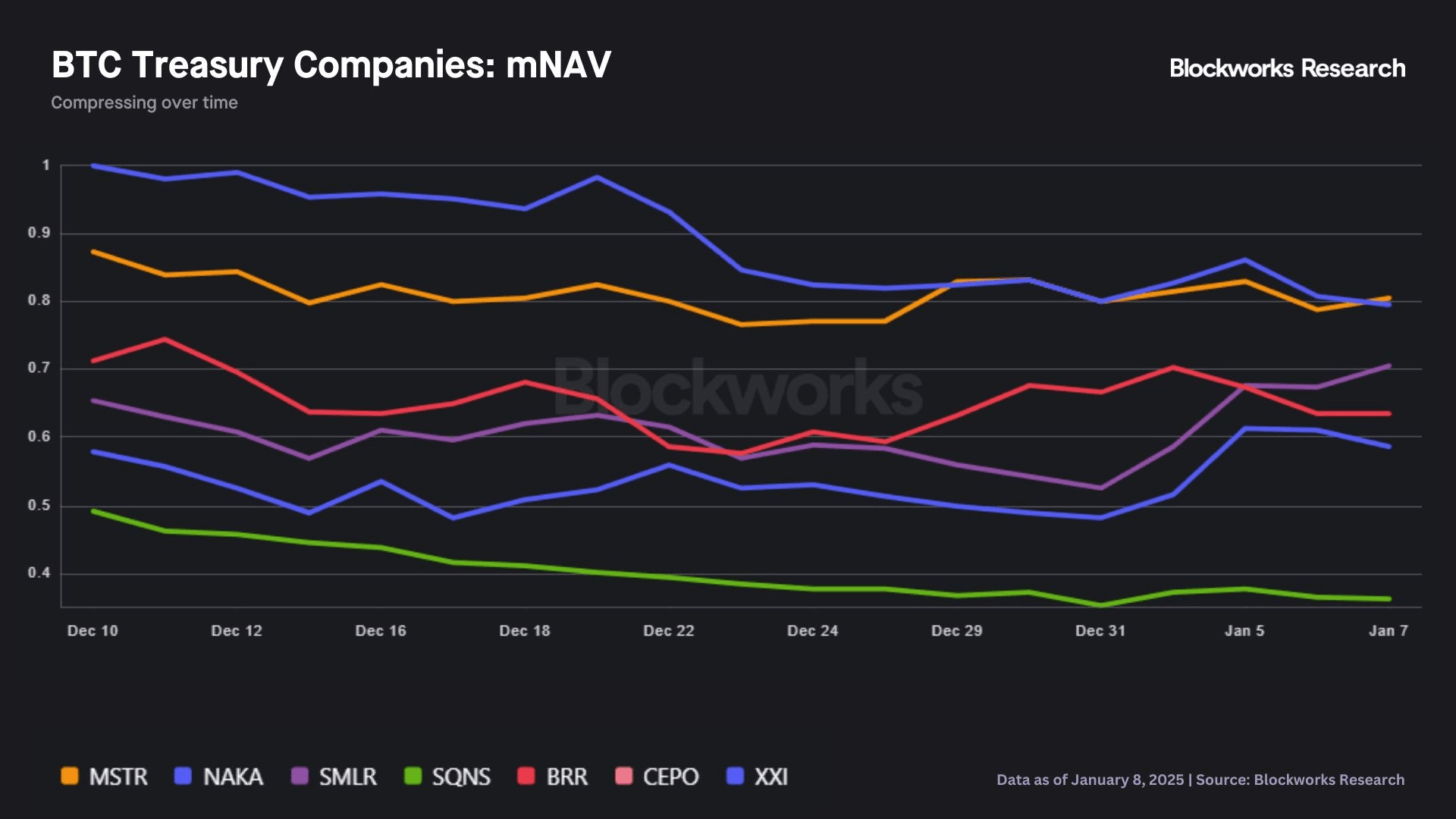
Bitcoin ETF flows remained under pressure in December, marking a second consecutive month of net outflows following the sharp reversal in November. While December’s -$1.1B of redemptions were meaningfully smaller than November’s ~$3.5B drawdown, flows still failed to turn positive, signaling continued investor caution into year-end. As in prior months, ETF flows continued to track price action closely. December’s modest net outflows aligned with BTC’s relatively contained ~3% monthly decline, suggesting selling pressure had eased but conviction had yet to return.DATCO activity picked up modestly in December, driven almost entirely by continued accumulation from Strategy (MSTR). MSTR added several incremental tranches of BTC throughout the month, lifting its total holdings to new highs and reinforcing its position as the dominant corporate buyer. Outside of Strategy, treasury-linked companies remained largely inactive, with no material additions reported, extending the broader pause in diversified corporate accumulation. December underscored the increasingly concentrated nature of institutional BTC buying, with Strategy accounting for the vast majority of balance-sheet-driven demand heading into 2026.Market-adjusted NAVs (mNAV) across BTC-treasury-exposed companies remained compressed through December, but signs of stabilization began to emerge into year-end. After the sharp repricing in November, most names traded sideways at depressed levels. Strategy’s mNAV, which had broken down aggressively in November, largely stabilized in the ~0.75–0.80 range through December, tracking BTC’s consolidation and a modest improvement in broader risk sentiment. While discounts across DATCOs remained historically wide, December marked a pause in the rapid compression seen earlier in Q4. The persistence of sub-par mNAVs continues to signal investor skepticism toward leverage and equity-embedded BTC exposure, but the lack of further deterioration suggests that much of the drawdown-driven repricing has already been absorbed heading into 2026.
Market Data
BTC open interest continued to contract through December, with average open interest down roughly 12% from early November levels before stabilizing into year-end. The decline reflected ongoing deleveraging across derivatives markets as traders reduced risk following the late-2025 drawdown. By the second half of December, open interest began to flatten and modestly rebound, suggesting the bulk of forced and discretionary deleveraging had largely run its course. With leverage meaningfully reduced across major venues, derivatives positioning entered January considerably cleaner, lowering the risk of further liquidation-driven volatility and setting a more stable foundation for price discovery.

Marc covers Ethereum, Bitcoin and their L2s. Previously led Ethereum and DeFi research at CoinShares.