Akash Starcluster: Scaling Decentralized AI Infrastructure

Starcluster represents a paradigm shift in how decentralized compute networks can compete with traditional cloud providers. By combining protocol-owned infrastructure funded through Starbonds, a tokenomic model that structurally increases AKT demand through BME, and proven execution through successful PIPs, Akash is building a credible alternative to centralized AI infrastructure. The network benefits from macro tailwinds including power grid constraints limiting traditional datacenter expansion and enterprises seeking alternatives to hyperscaler lock-in.
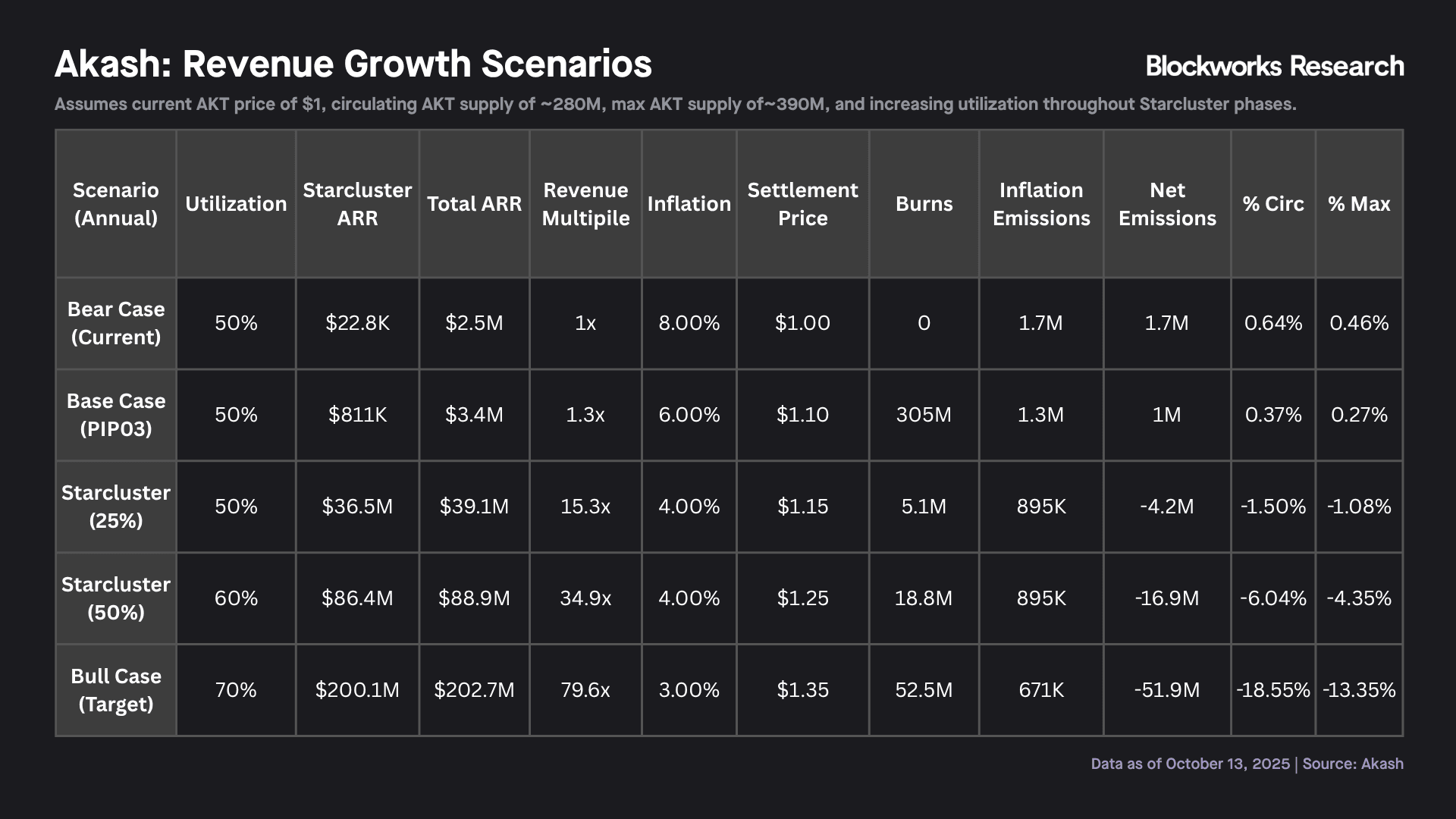
Osuri has outlined four strategic priorities that strengthen Starcluster's positioning. First, maintaining the network's healthy 50-70% utilization rate while scaling supply through improved UX and expanded capabilities. Second, developing sustainable onchain incentives that align usage with emissions rather than enriching farmers, addressing a critical weakness in competing DePIN networks. Third, implementing continuous cryptographic verification after five years of research, a breakthrough enabling permissionless mass adoption of decentralized compute. Fourth, the BME mechanism creates structural AKT demand through continuous market buys and supply reduction, directly aligning token holders with network revenue growth. Leadership reiterated the network is not “out of money”, stating that Starbonds are intended to attract outside capital, accelerate protocol-owned compute, and avoid repeated Community Pool withdrawals.
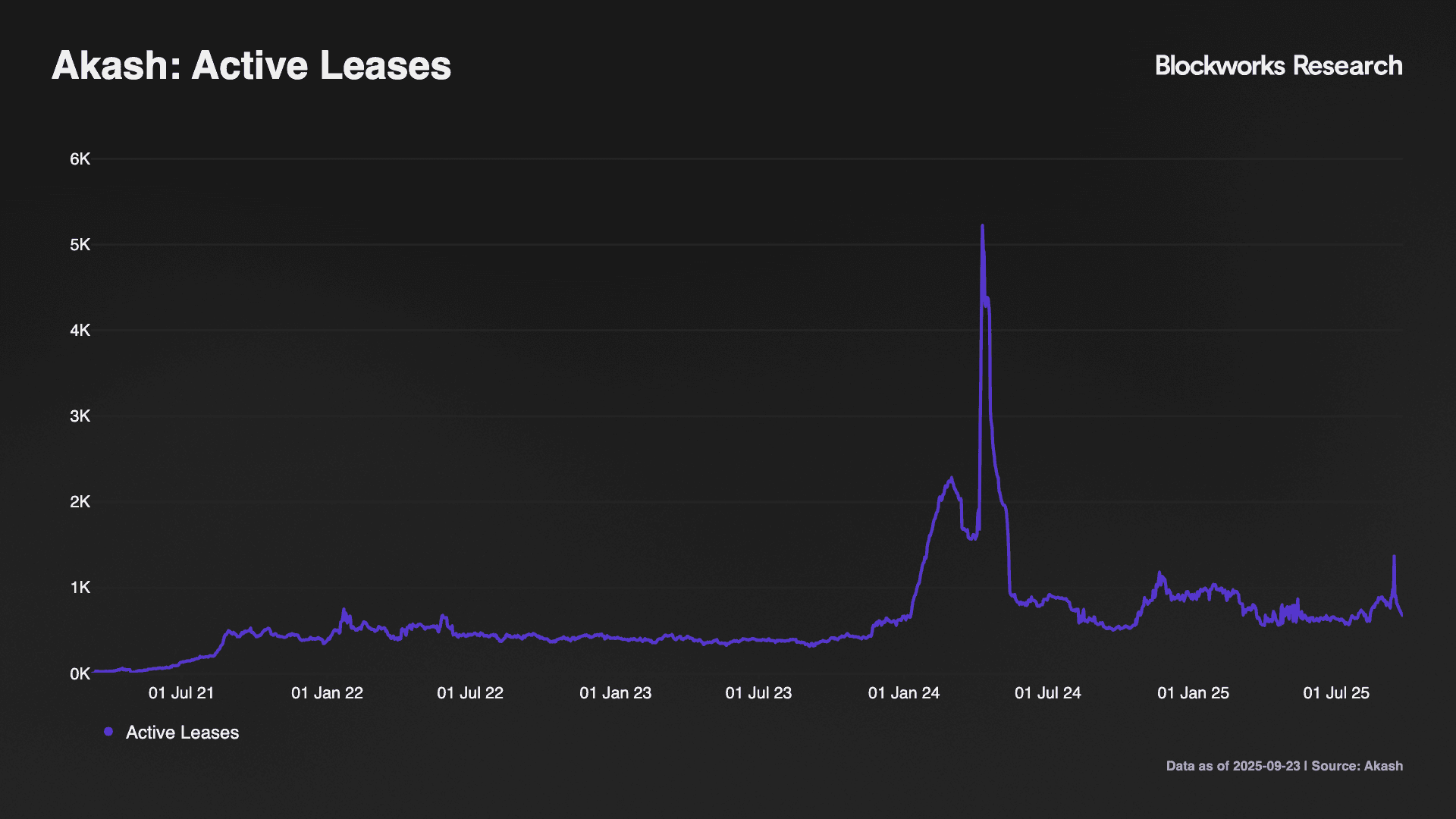
Key risks include execution complexity across multiple technical initiatives, dependency on successful Starbond raises to fund hardware acquisition, and competition from both traditional providers and emerging DePIN networks. Advertised IRR/ROI ranges and 25% downside protection are preliminary. Final terms, waterfalls, and enforcement will govern actual outcomes. Additionally, the BME mechanism's success depends on maintaining adequate collateral ratios during market volatility, though circuit breakers and governance controls provide safeguards. The ambitious timeline spanning until 2027 requires sustained technical development and community engagement.
Near-term catalysts include the November 2025 BME launch, December 2025 Starcluster pilot deployment, Starcluster bond documentation and issuer setup, initial $75M Starbond offering expected in Q4 2025, and continued PIP 3 roll-out. The network's aggressive 2026 roadmap includes Virtual Machines (January 2026), Confidential Computing (February 2026), Resource Verification (March 2026), and Utilization Guarantee Incentives (April 2026), culminating in migration to a shared security chain by December 2026. With Osuri relocating to San Francisco to focus on sales and hiring a head of sales tasked with driving enterprise adoption, Akash appears positioned to capture significant market share as AI compute demand continues exceeding supply. The combination of heavy investments in growth and sales, sustainable tokenomics that reduce AKT supply pressure, and breakthrough verification technology positions Akash to transform into the primary decentralized alternative for enterprise AI infrastructure.

Nick leads coverage on the DePIN and Proof of Work sectors. Previously led research and engineering at a DePIN-focused accelerator.