Advice for Aspiring Crypto Research Analysts

Crypto is firing on all cylinders, and there’s no doubt this is ushering in a wave of people looking to work in the industry full time. This includes many aspiring crypto research analysts.
Quality is a key feature of the research produced by Messari Hub analysts. Naturally this means defining what great crypto research looks like, and the skillset analysts need (to develop) to thrive in this space. In How to Nail the Messari Hub Application, I talked about the skills we are screening for and touched upon some of the ingredients of great research.
Our Messari Hub analysts have contributed more than 80 research reports over the last six months, which covered various sectors across crypto including DeFi, NFTs, and DAOs. These were edited and reviewed for quality and objectivity by our internal analyst team. Through the edit and review process, we were able to uncover and obtain insights into the common pitfalls encountered while writing research reports. This piece aims to shed light on how to avoid these, and hopefully help aspiring analysts find their footing in the industry.
I will start with laying out the pitfalls and then discuss them one by one, including thoughts on how to overcome them. I will end with how Messari Hub is designed to be the launchpad for a career as a full-time crypto analyst.
Common Pitfalls
- Lack of structure
- Not enough data
- Lack of depth
- Not balanced
- Overcomplicating things
Lack of Structure
If your research report lacks narrative and structure, readers may find it tough to follow. This is at odds with your objective to provide readers with a clear set of arguments so that they take away the main points you are trying to make.
Key ingredients of good structure:
- Thoughts and arguments are organized into a logical structure that readers can follow.
- Each paragraph revolves around one central idea.
- Coherence: it is clear how all elements discussed are related to the central purpose of the report and to each other.
- Flow: sections transition smoothly.
- Use of headers and subheaders to highlight the structure.
In the case of covering protocols with a token, you may consider working off a template like the below to support your structure and flow:
- About the project: brief history, protocol description, tokenomics, recent upgrades;
- Competitive analysis: define the sector(s) it operates in, how does it stack up to competitors, any challenges ahead;
- Roadmap: what is next?
Lack of Data
At Messari, high quality research also provides new, data-driven, actionable insights. If you have good data, it can help you write the story. A good chart conveys more information than what you can write in a few sentences, it is much more concise.
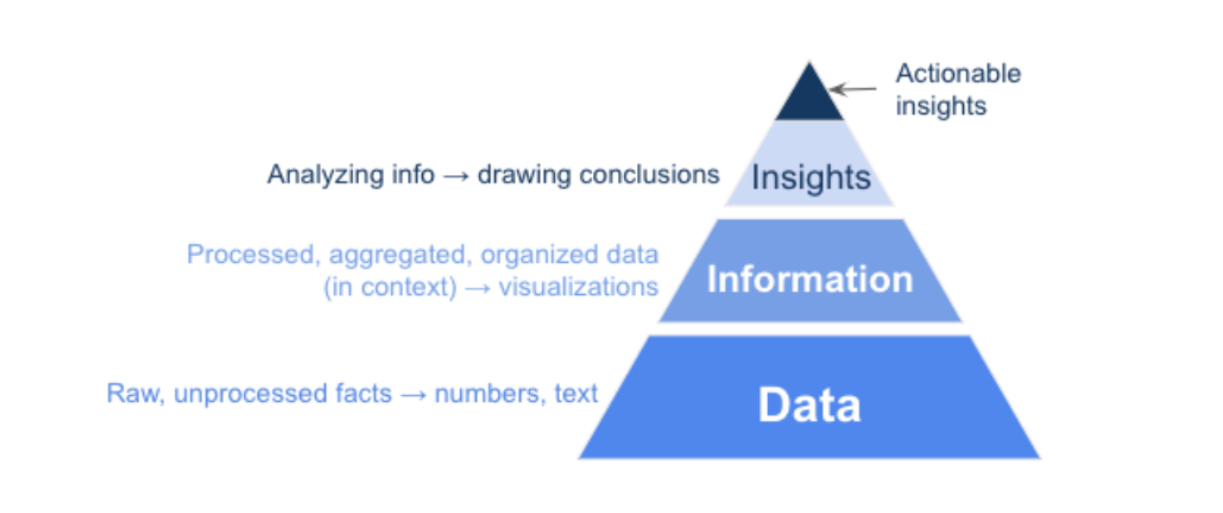
A common pitfall is that analysts don’t use enough data or use vanity metrics like social media stats, large etherscan transactions (speculative), or market cap size (speculative). Price can be a useful metric, but not if it’s the only metric cited. Instead, use protocol revenues, DAO voting participation, sales volumes, unique address count, or other more complex metrics if they exist.
Good charts write the article. Think about what data points you need to tell the story after drafting an outline, and then create the charts. It will make the writing and structuring a lot easier. Of course, it's not a perfect suggestion, since some topics might require more qualitative analysis while other pieces will be strictly for educational purposes. But in general, let the data do the work for you, like Roberto and Wilson did in Messari’s Q2’21 Layer-1 Review.
Lack of Depth
Research needs enough depth for the reader to learn something. A good guide for establishing whether your argument has sufficient depth is to ask yourself whether readers would have further questions about a statement you make or an idea you introduce. Asking good questions will help you dig deeper, and is a key analyst skill.
Another thing to keep in mind is that readers want to learn something new in the form of (a) new, actionable insight(s). Again, being curious and asking questions helps here.
Finally, in crypto there is also a level of technical depth you need to master and bring out in your research. Key ingredients here include:
- Identify and define key technologies used by the protocol;
- Design: include a high level explanation covering how the protocol works. Visuals can be useful tools for this;
- Advantages: what benefits do the design or new technologies provide the protocol? Why is it built the way it is?
- Risk factors: what risk factors does the protocol’s structure or new technology introduce? What tradeoffs have been made?
- Comparison: how does the protocol’s design and approach compare to its competition?
Not Balanced
Crypto analysts often write about assets (and topics) that excite them, so it's natural that an analyst would want to talk about the good parts of a particular project. But the key is to state these benefits objectively (which doesn't have to be boring!).
Designing crypto projects is all about tradeoffs. If you opt for fast transactions, there's likely a design choice the team made that may have sacrificed another characteristic. Your goal as an analyst is to deliver both sides of the story to the reader.
On a more general note, make sure to discuss potential pitfalls/negatives: is the protocol’s model a good one? Are there flaws? What assumptions is the protocol making that need to be right or that might be wrong?
Overcomplicating Things
Finally, less is more, keep it simple! Shorter sentences and simpler words are better. Avoid jargon. All of this, combined with structure, will make your piece easier to follow.
Launchpad for your Crypto Career
The Hub is a community-driven marketplace for crypto research powered by Messari. The Hub matches contributing analysts with crypto organizations (including Messari) that wish to fund independent research. Hub analysts work on a contract-basis and author research requests in exchange for a bounty. The work is edited for objectivity and quality in an independent editorial process, and distributed by Messari.
The cryptoeconomy is all about showing your skills through action that has value to others in the ecosystem. Through Hub, aspiring crypto analysts can build their personal brand and reputation by contributing independent research about some of the industry’s leading projects.
Other benefits?
- Sharpen your crypto analyst skills: experienced crypto analysts review and provide feedback on your research;
- Network and community: global community of like-minded contributors;
- Career launchpad: many analysts have found full-time analyst positions through Hub
You can apply here!
Messari Hub is also hiring 2-3 full-time research analysts that will edit and review Hub contributed research in addition to writing their own research under the Messari brand.
