A crypto banking reality check

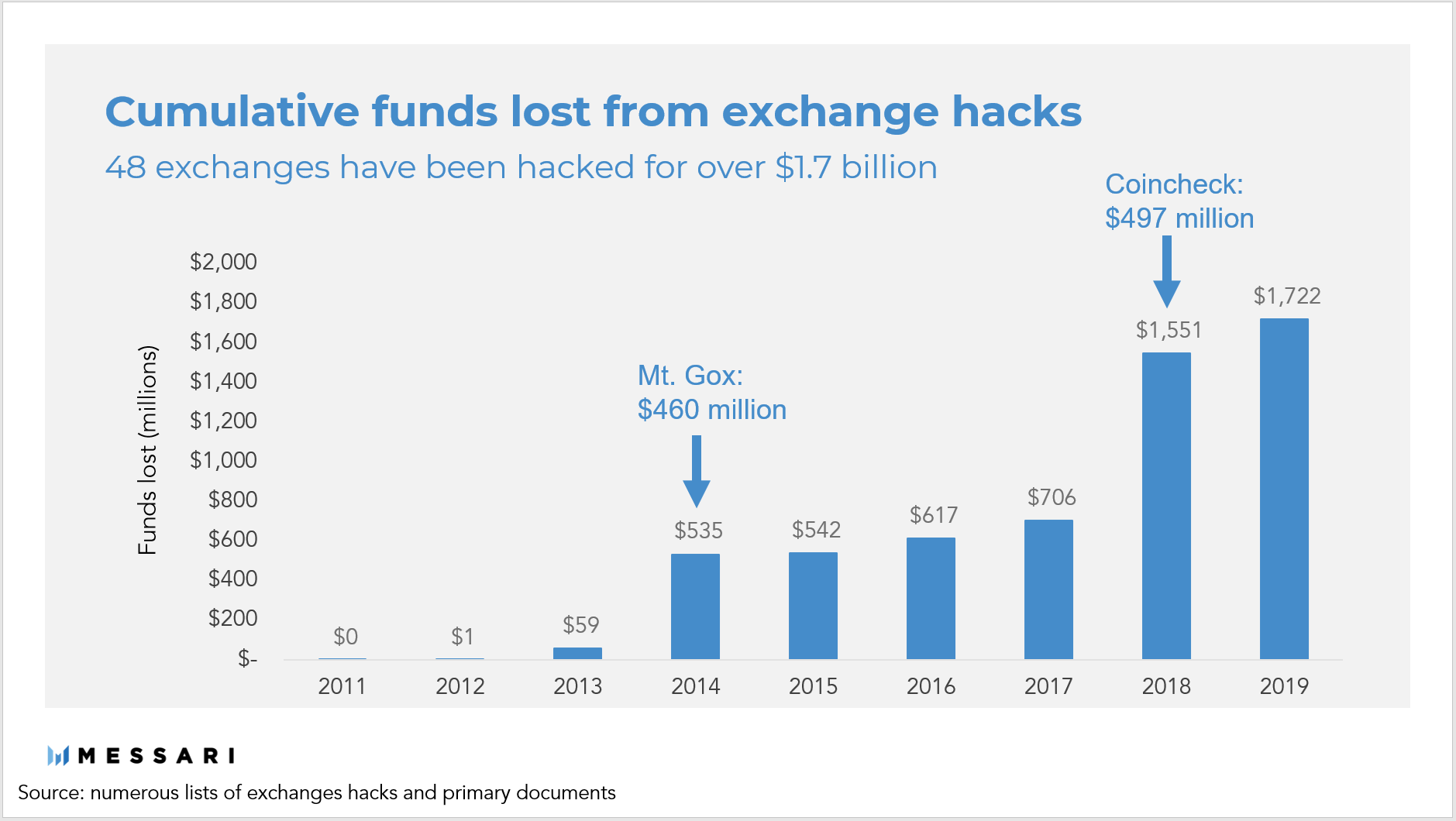
In a guest post for the Bankless newsletter, Nic Carter examines whether trust can be minimized by exchanges. These "crypto banks" serve an important role because, in the same way that people don't want to store cash under their mattress so they use a retail bank, crypto users don't want to bear the responsibilities of self-custody. As the purchase of crypto occurs with these banks they became a natural fit to hold onto the funds for users too. A conservative estimate shows at least 20% of bitcoin is held by a custodian, and that number is increasing as the rate of custodied bitcoin is growing faster than the supply. As for Ethereum, the numbers are similar (and that excludes Coinbase as they obscure their balances). This trend can be concerning because unlike regulated depository institutions, exchanges are not FDIC insured meaning anyone holding funds can be subject to complete loss as a result of irresponsible fractional lending or, more frequently, hacks.
While trust is inherent anytime you absolve yourself the responsibility of your private keys, there are still steps that can be taken to reduce that trust. Holding exchanges responsible for providing periodic proof that they in-fact hold the amount of crypto they claim is the first major step. It may not be as good as FDIC insurance, but it will at least give depositors some confidence in the safety of their funds.
Why it matters
- Exchange hacks have plagued the industry since bitcoin first became widely traded. As crypto banks enter into riskier activities such as lending and staking, depositors will bear more risks than simply the potential of a hack. Proof of reserves is a valuable step to help alert customers of the risk of potential insolvency.
- If centralized crypto banks fail to provide these assurances, the value proposition of DeFi will be strengthened as they provide near-complete transparency into the credit health of the system on an ongoing basis.